

Mills College was founded in 1852, and by the 1880s, already had 1,000 works of art and reproductions in its collection, which were displayed in the Sarah Sage Art Reference Library. The College’s founders, Susan and Cyrus Mills, had been educated at Mt. Holyoke and Williams Colleges, and both were keenly interested in art and history. Studio art courses were part of the College’s earliest offerings, and art history entered the curriculum in 1875 with a survey course required for all students. Susan Mills’ sister, Jane Tolman, developed an art history curriculum that was unique in California and unusually far-reaching for its time. Together, their dedication to the visual arts insured its continued prominence on the campus: in their wills, Tolman designated funds for the construction of an art gallery and Susan Mills established an endowment fund whose income continues to support museum programs and acquisitions.

The museum was constructed in 1925, debuting on October 4 of that year as the Mills College Art Gallery, and was honored with a large gift of artwork from Albert M. Bender, the College Trustee chiefly responsible for the museum’s completion. This gift of 40 paintings and 75 prints by contemporary San Francisco Bay Area artists became the first public collection of modern art in Northern California. To this day, Bender’s gift remains one of the nation’s most important collections of California regionalist paintings. A savvy businessman and wealthy insurance broker, Bender was a generous patron of the arts in the Bay Area. He was a close friend and financial supporter of many early modernist photographers who worked in the region, such as Ansel Adams, Edward Weston, and Imogen Cunningham; and his legacy is embedded in the museum’s collections of photography, Asian textiles, and early 20th century painting, which were formed through his generous donations. In 1935, a decade after the founding of the Mills College Art Gallery, Bender became a principal founder of what is now the San Francisco Museum of Modern Art. In addition to Bender, major local collectors William S. Porter and A.S. Levenson were largely responsible for the early growth of the collection, donating numerous works of art.


THE BUILDING
Designed by noted California architect Walter Ratcliff Jr., the Mills College Art Gallery was the first of several structures he designed while serving as campus architect from 1923 to 1947. The museum, which originally functioned as both a gallery and ballroom, combines the Beaux-Arts Classical and Spanish Colonial Revival architectural styles, featuring decorative ornamentation around doors and windows, a flat tile roof, an asymmetrical shape, and an exterior courtyard. It underwent an expansion funded by Victorine Harlan Sill in 1931, that provided additional space currently used for collections and teaching.

The original grand entrance to the museum was located at the back of the building and included a trolley stop where visitors could travel between downtown Oakland and Mills. With the construction of the I-580 freeway, this entrance was closed and what had been the back doors that opened onto campus became the museum’s primary entrance and exit. Visitors can still view the original ornate limestone entrance by walking along the campus trail. The museum features 6,000 square feet of gallery space in addition to collection and storage areas and administrative offices. The building is made entirely of concrete and features a gilded geometrically patterned ceiling and skylight that were originally designed to allow natural light to illuminate the artwork.
The façade of the building features Baroque surrounds of carved stone with a quote from Hippocrates inscribed on the front entrance: “Ars Longa, Vita Brevis” (Art is long, life is short). The sentiment emphasizes the museum’s role in contributing to and upholding the history of art for generations to come.
On the side veranda, the visages and names of renowned artists—including Albrecht Dürer, El Greco, Rembrandt van Rijn, Auguste Rodin, and Diego Velásquez—are carved into eight wooden pillars, representing the creative minds that “hold up” the building. The pillars depict 16 painters, sculptors, and architects spanning the Renaissance to the 20th-century.

Inside the gallery, on the south wall high above the iron gate, a famous quote from poet Robert Browning is inscribed, reading: “Art remains the only way possible of speaking truth,” reflecting the museum’s mission to inspire research and creative expression through innovative exhibitions, programs, and collections.
DISTINGUISHED DIRECTORS AND FACULTY
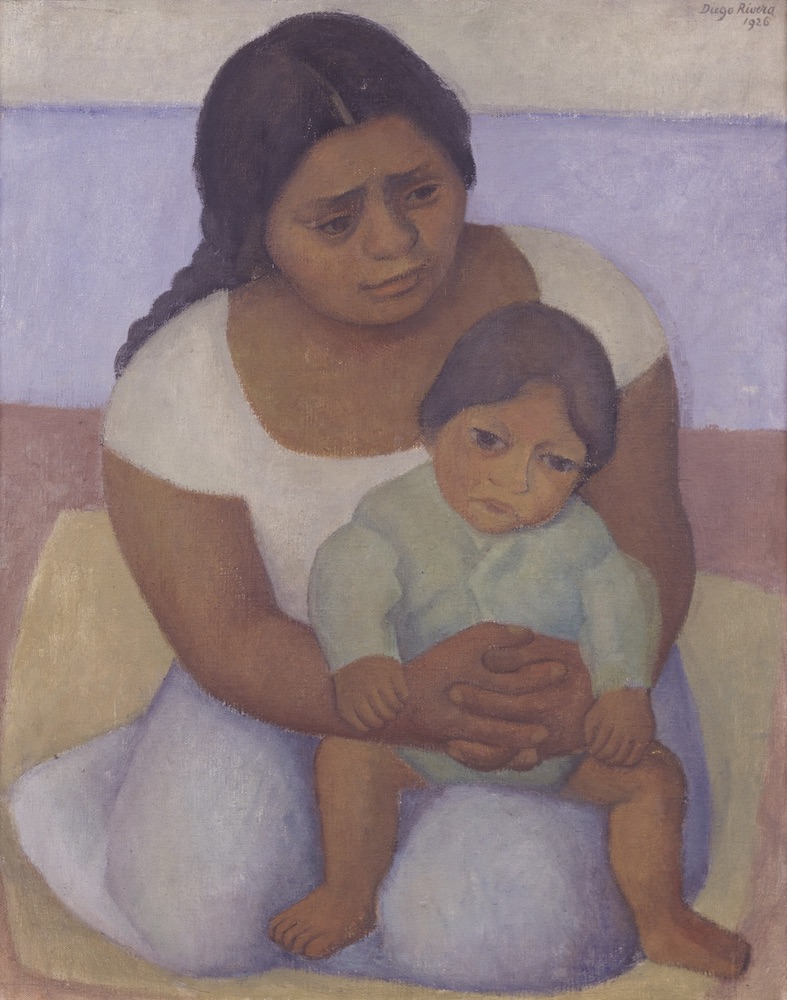
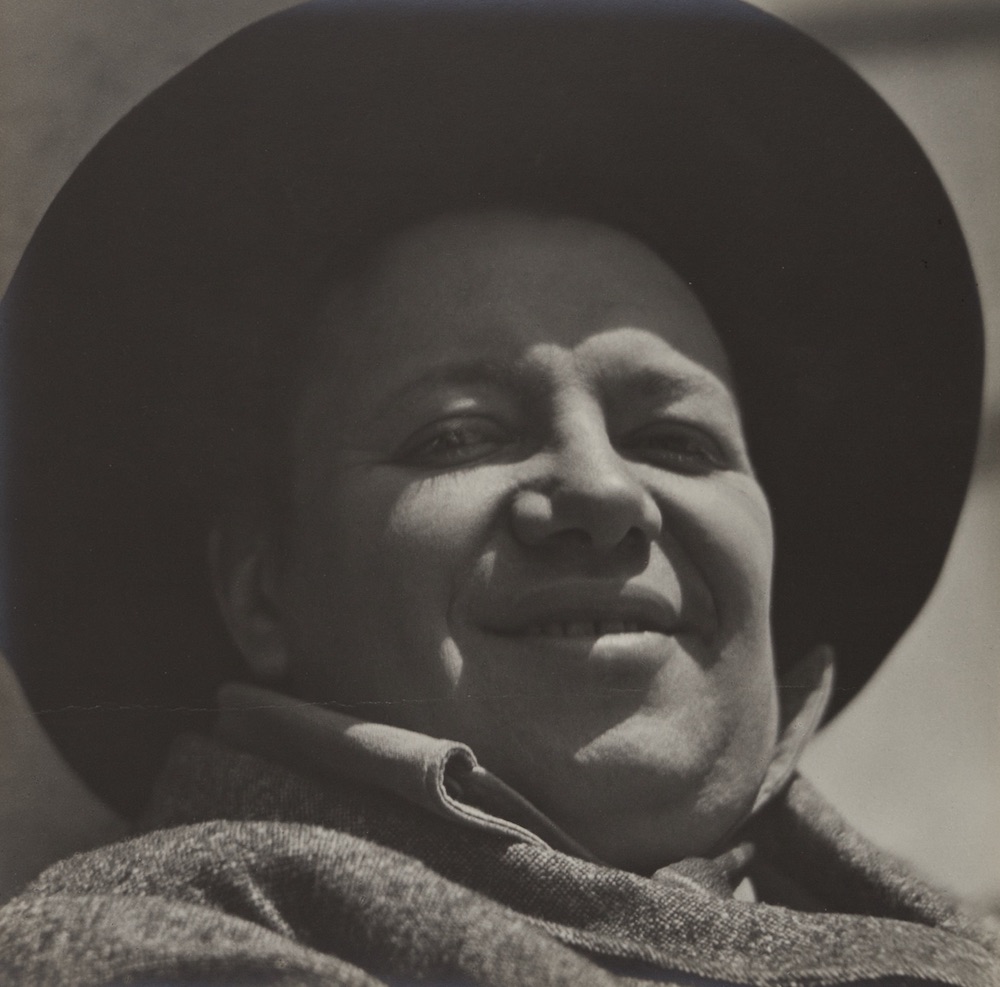
From its inception, the Mills College Art Museum has been a forum for exploring art and ideas and a laboratory for contemporary art practices. The museum’s first director, Roi Partridge, was a renowned graphic artist and under his directorship (1925–35) the museum became an important center for visual arts on the West Coast. Partridge presented American and European artists, craftspeople, photographers, and designers to students and the greater Bay Area. Among early exhibitions were pioneering presentations of modern paintings and photography, including works by radically contemporary artists such as Wassily Kandinsky, Hans Hofmann, and Mexican muralist Diego Rivera. These exhibitions fostered the art museum’s growing prominence as a Bay Area cultural center.
In the 1930s, the museum began its tradition of collecting, displaying, and studying Asian art in response to the 1928 introduction of Asian art history to the College’s curriculum. Major exhibitions of Chinese and Japanese art were held when Alfred Salmony, an esteemed scholar of Chinese art and a refugee from Berlin, taught at Mills in 1934 and 1936.

The 1935 arrival of the distinguished art historian from Berlin, Dr. Alfred Neumeyer, began an important new phase of development for the museum. Neumeyer was hired to direct the museum and to teach both art history and establish the first museum studies course on the West Coast. He used the gallery as a laboratory for his students, who participated in all aspects of planned exhibitions. Advancing the collection to reflect an international and historical overview, Neumeyer used his extensive contacts in Europe to bring to Mills an exceptional array of important and sometimes controversial exhibitions of modern art. For more than 25 years Neumeyer acquired prints that now comprise one of the museum’s most distinguished collections.
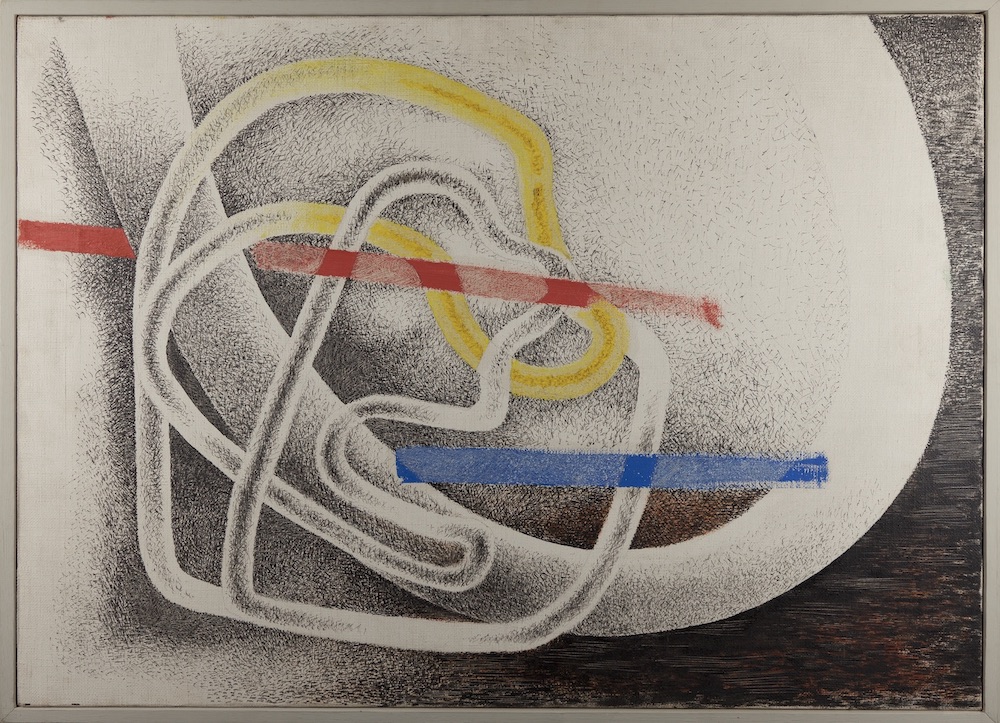
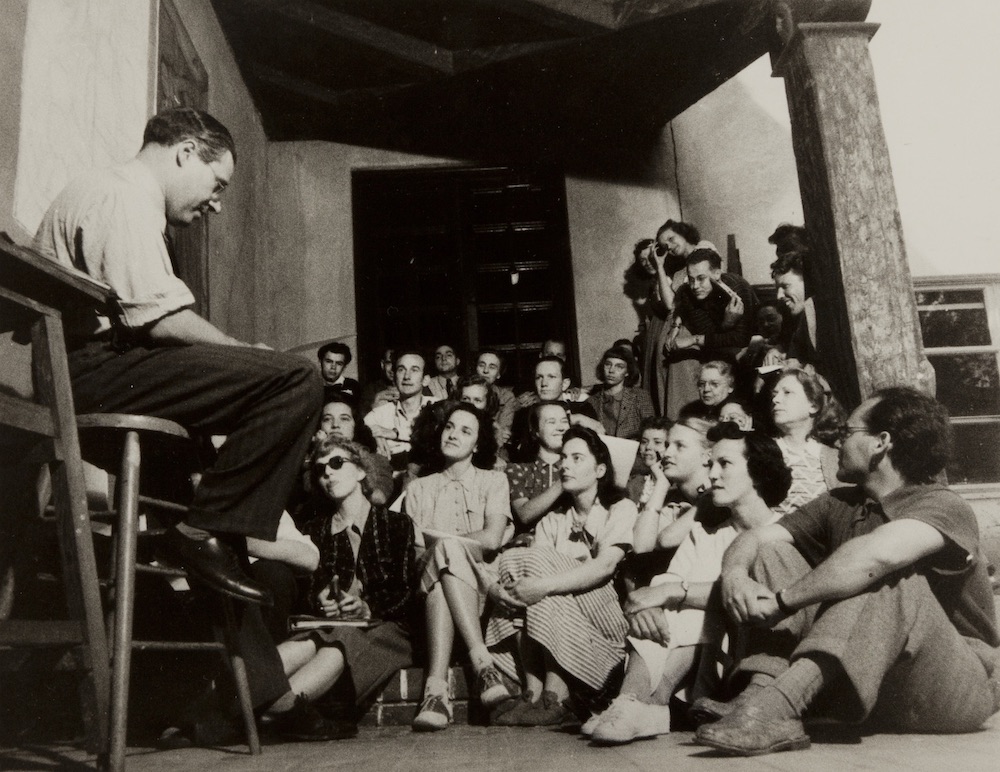
As part of the summer sessions from 1933 to 1952, he brought major European modernists to campus, including the first exhibition of Lyonel Feininger’s work in the United States (1936), a major show by Fernand Léger (1941), László Moholy-Nagy and the Bauhaus (1940), and Max Beckmann (1950). The visiting artist program has continued in different forms during the museum’s history but has remained an important and ongoing part of the museum’s mission.
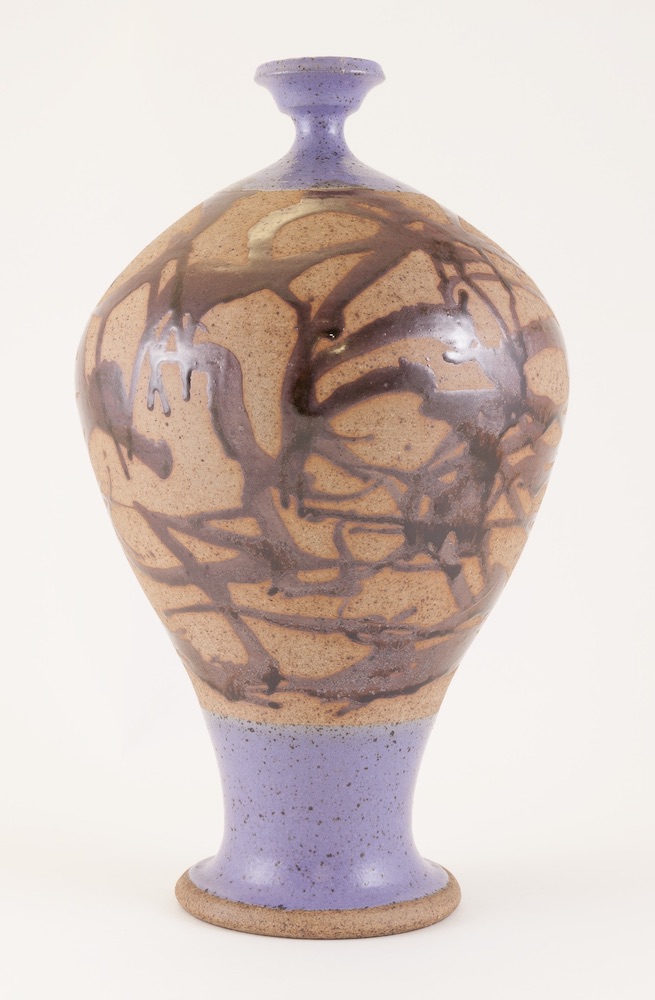
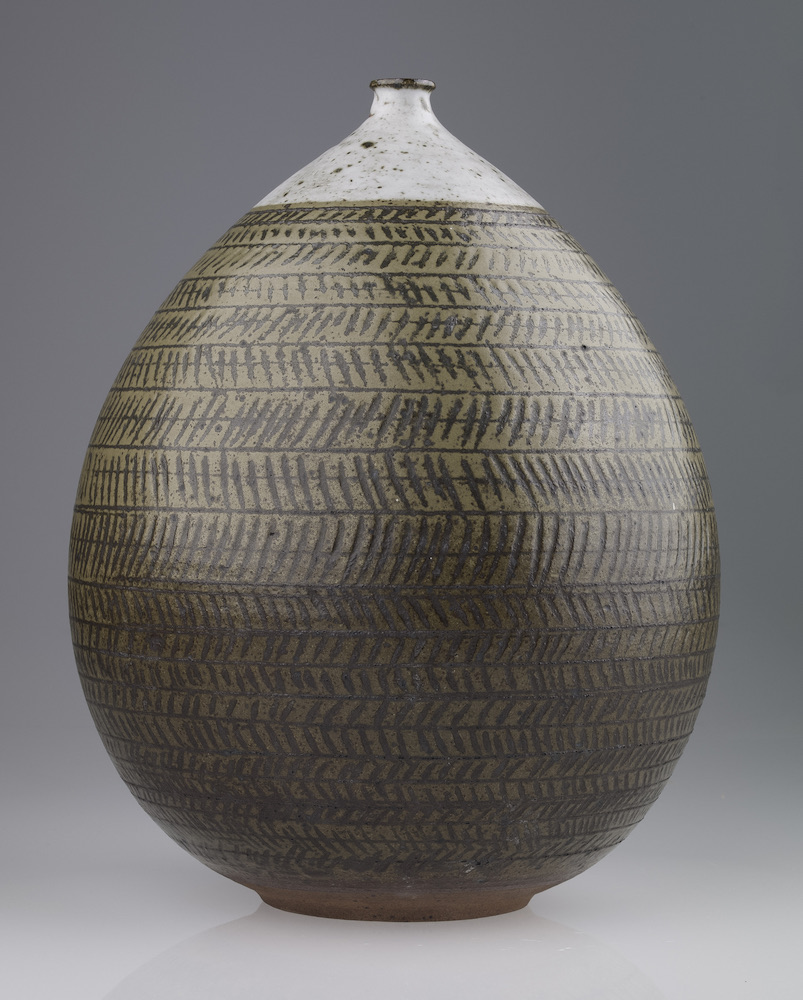
During ceramicist Antonio Prieto’s tenure (1950–67) as a Mills faculty member, the San Francisco Bay Area played an important role in the evolution of ceramics. Prieto amassed a personal collection of extraordinary breadth, including works by major American ceramics artists Robert Arneson, Viola Frey, Peter Voulkos, and Marguerite Wildenhain. After Prieto’s death, artists further contributed to a memorial collection, bringing the total to over 400 works, primarily from Northern California, but also from elsewhere in the United States, England, and Japan. In 1970, the Prieto family donated the collection to the museum, creating one of the most important holdings of mid-century modernist ceramics on the West Coast.
The museum’s Asian textile collections continued to grow through the 1953 donation of the distinguished Shojiro Nomura Fukusa Collection, which was given by S. Morris Nomura when his granddaughter, Betty Nomura, attended Mills. Fukusa are traditional Japanese gift covers that date back to the Edo period (1615–1867), and the Mills College Art Museum is home to the largest fukusa collection outside of Japan.

Until the late 1960s, the gallery director was always a
faculty member of the Art Department. It was not until 1968
that Elizabeth Ross, the first professional non-faculty
curator and director, was hired. Ross undertook a major
collection inventory and rehousing initiative that
dramatically improved storage and access, in addition to
publishing three major catalogues that documented the museum’s
works on paper collection for the first time.
The gallery officially was renamed the Mills College Art
Museum in 1998 to acknowledge the wide array of exhibitions
and programs offered, and its importance as a collecting
institution. Original objects of art have been integral to
teaching at Mills from its inception. Currently, the art
museum makes it possible for students to learn from a
permanent collection of more than 12,000 objects spanning a
diverse range of cultures and time periods, with significant
strengths in works on paper, photography, California and
Japanese ceramics, Asian and South American textiles, and
20th-century California painting.
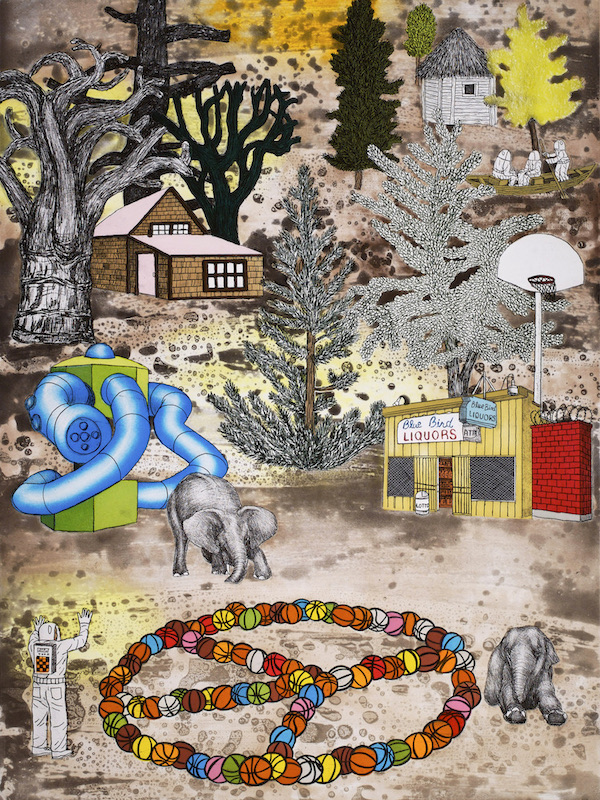
The museum has also retained its commitment to showcasing the work of living artists, hosting dynamic exhibitions of contemporary work from nationally and internationally known artists year-round. There is a renewed emphasis at the museum on commissioning and exhibiting new work by contemporary artists, demonstrating interdisciplinary and multimedia connections among the arts, as well as showcasing the talent of women artists and traditionally underrepresented voices. Through its collection and exhibitions, the Museum remains a valuable resource for students to gain professional experience in art handling, collection housing and cataloging, digitizing, exhibition installation, as well as visitor services, publicity, and marketing.


In 2021, the museum became part of Northeastern University’s global network of campuses. Through its exhibitions, public programs, and collections, the museum continues to engage and inspire the intellectual and creative life of the Northeastern community as well as the diverse audiences of the Bay Area and beyond. At 100 years old, the Mills College Art Museum remains committed to supporting artistic innovation and continuing an extraordinary legacy of demonstrating advances in contemporary visual arts.