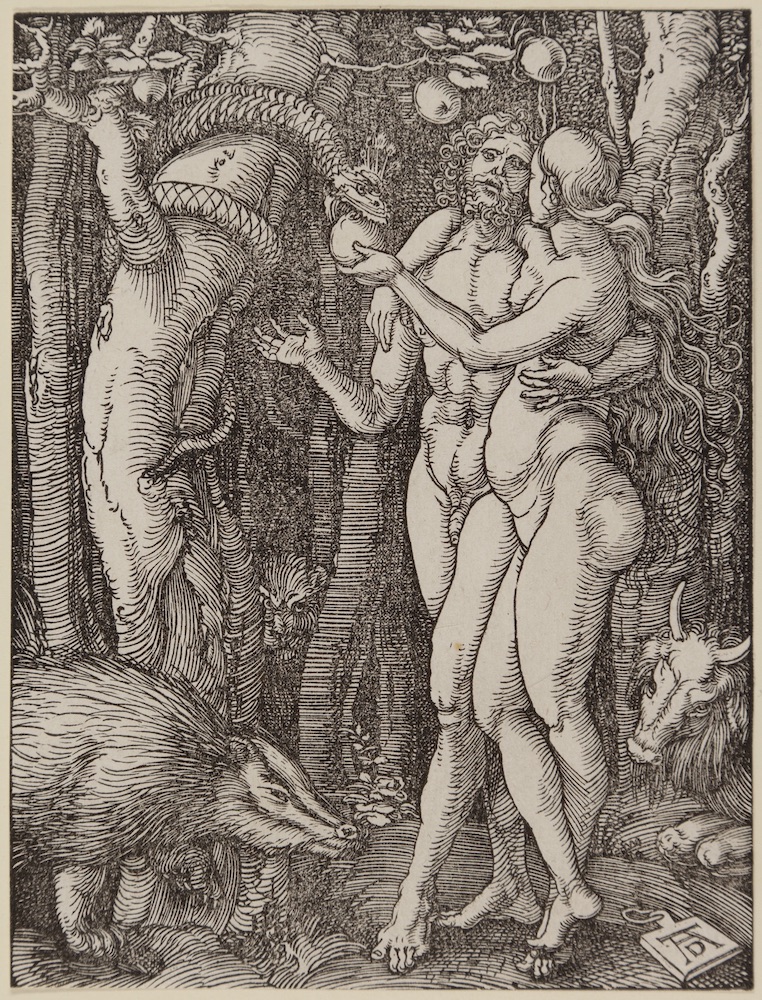
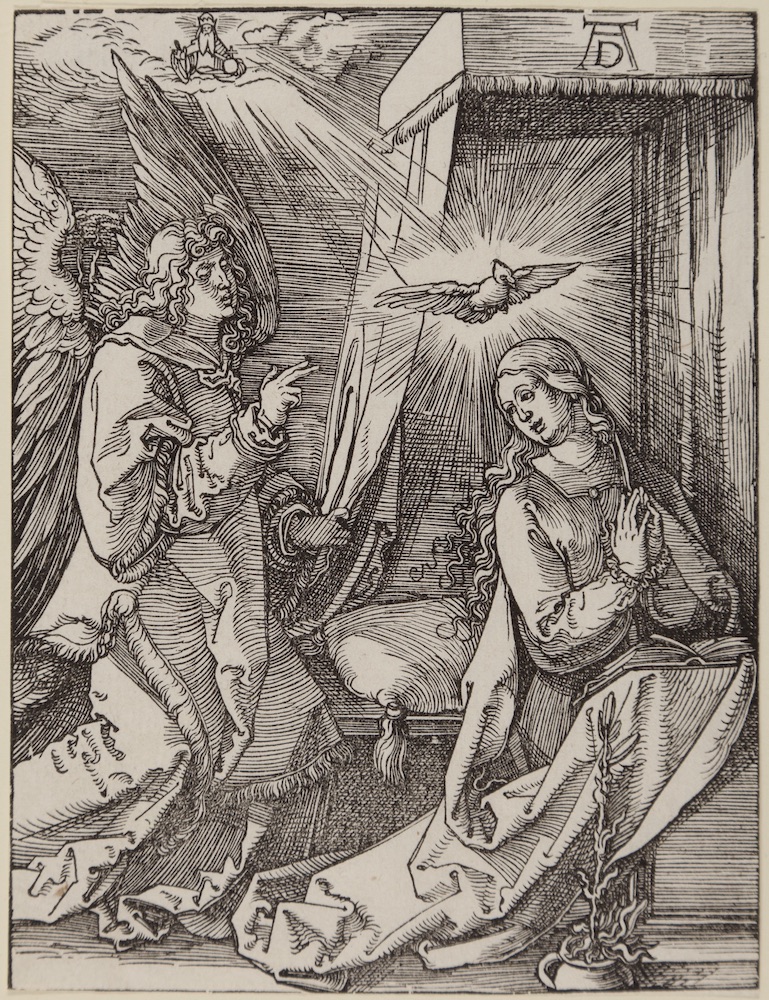
One of the Mills College Art Museum’s great strengths is its large collection of prints, drawings, and watercolors dating from the 15th-century to the present. This focus developed during Dr. Alfred Neumeyer’s almost twenty-five-year tenure as the museum’s director. Neumeyer built an outstanding collection of works on paper, including a complete set of Albrecht Dürer’s woodcut portfolio the Small Passion and an impressive group of modern European works with an emphasis on German Expressionists and Bauhaus faculty members. Neumeyer was a German-born art historian who immigrated to California in 1935 after being dismissed from his museum position in Berlin due to his Jewish ancestry. These acquisitions stem from both Neumeyer’s art historical expertise and interests, as well as his personal friendships with contemporary German artists impacted by World War II.
Albrecht Dürer’s Small Passion is recognized as a masterwork of Renaissance printmaking. First published as a complete set in 1511, Dürer’s Small Passion is a series of 36 woodcuts tracing the expulsion of man from the Garden of Eden to the final judgment of Christ. The work proved to be a huge success when it was published, prompting widespread distribution of the images throughout pre-Lutheran Germany and cementing Dürer’s reputation as one of the most influential artists of the period.
Dürer is renowned for revolutionizing printmaking during the Renaissance, transforming it from a tool for illustration to a recognized art form. He excelled in both woodcuts and engravings, creating intricate and detailed prints that showcased his mastery of the medium and influenced printmaking for generations to come. Born in Northern Europe, he apprenticed in Nuremberg, Germany, and traveled throughout Europe to study the works of artists that came before him.
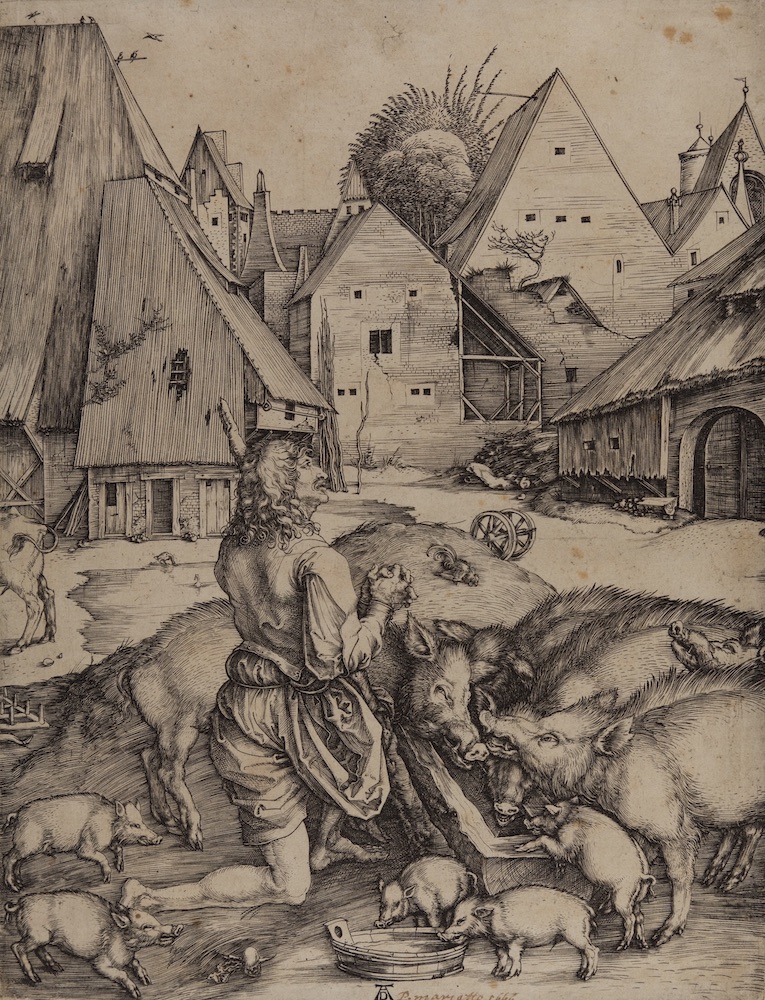
Dürer was a supporter of Martin Luther and the Protestant Reformation, and his compositional choices often reflect this humanist stance. For example, Dürer depicts the parable of the Prodigal Son within a typical village and in contemporary clothing of late 15th-century Germany. The artist chose to depict the turning point of the narrative, in which the son, utterly destitute and serving as a swineherd, falls to his knees among the animals, repenting for his wrongdoing. Dürer’s choice to show the Prodigal Son kneeling in penance instead of carousing in a brothel as he was more commonly represented, combined with the artist’s technical mastery, made this one of his most popular and successful images.
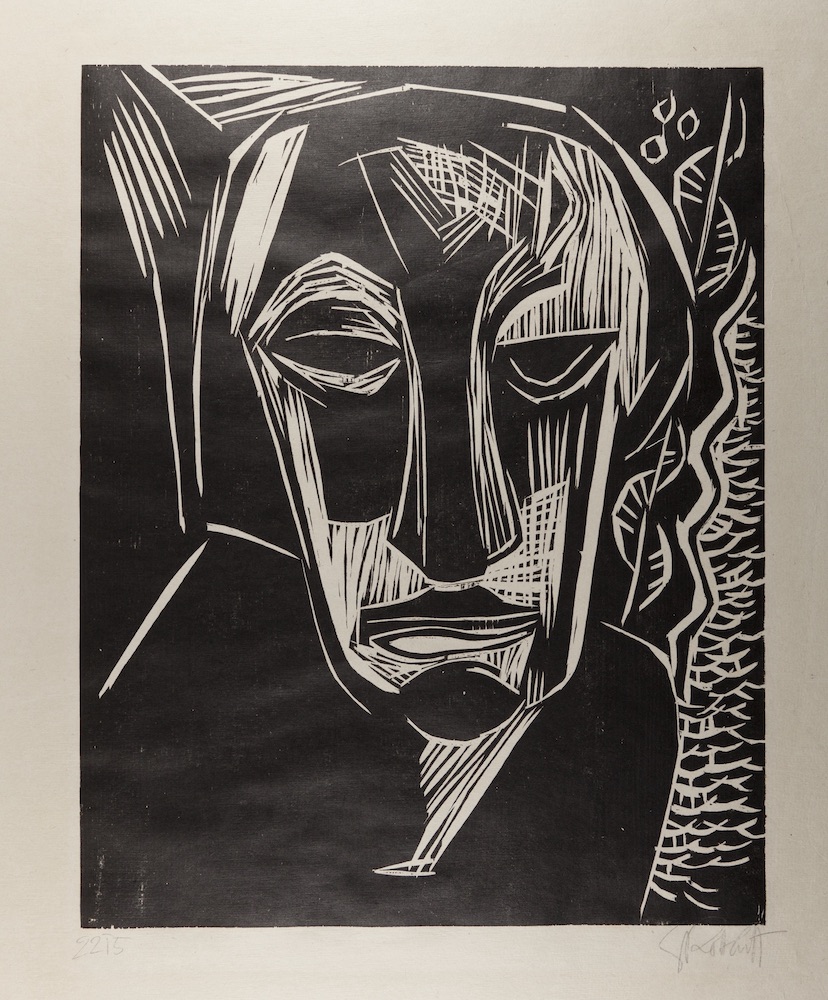
Dürer’s influence continued well past the Renaissance and impacted generations of artists, particularly artists in the early 20th-century associated with German Expressionism and the Bauhaus. In particular, Dürer’s mastery of woodblock printing had a strong impact on artists who were part of the Expressionist movement Die Brücke (The Bridge) founded in Dresden in 1905, including Karl Schmidt-Rottluff, Erich Heckel, Ernst Ludwig Kirchner, and Max Pechstein. The group’s name reflected their aim to create a bridge between the past and the future of art, breaking from traditional academic styles and exploring new expressive forms.
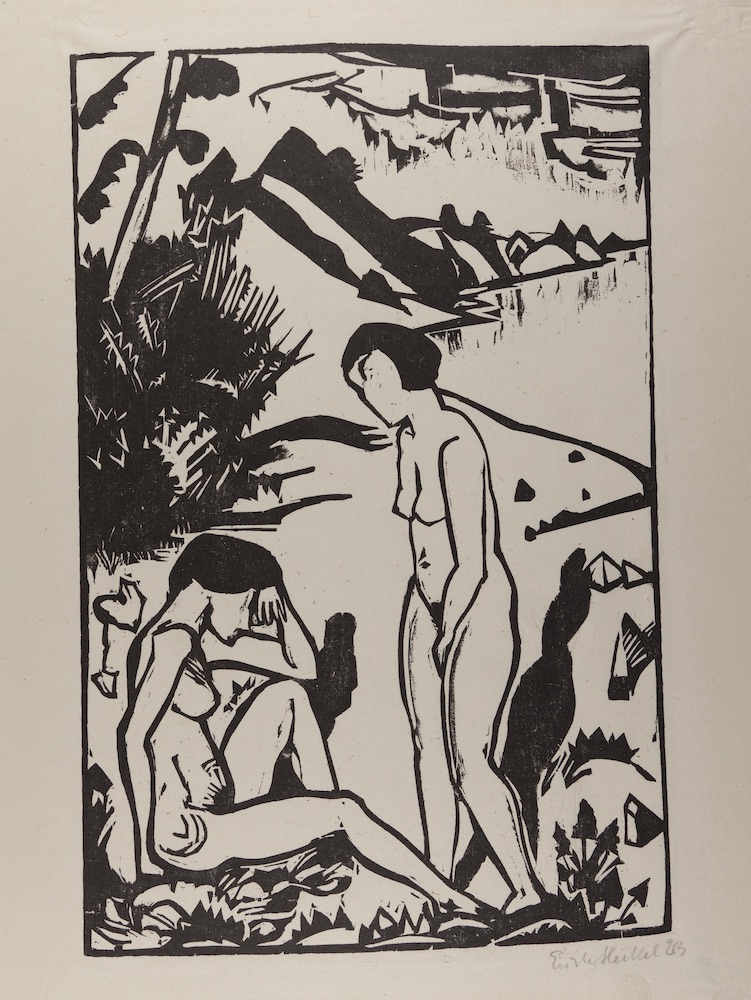
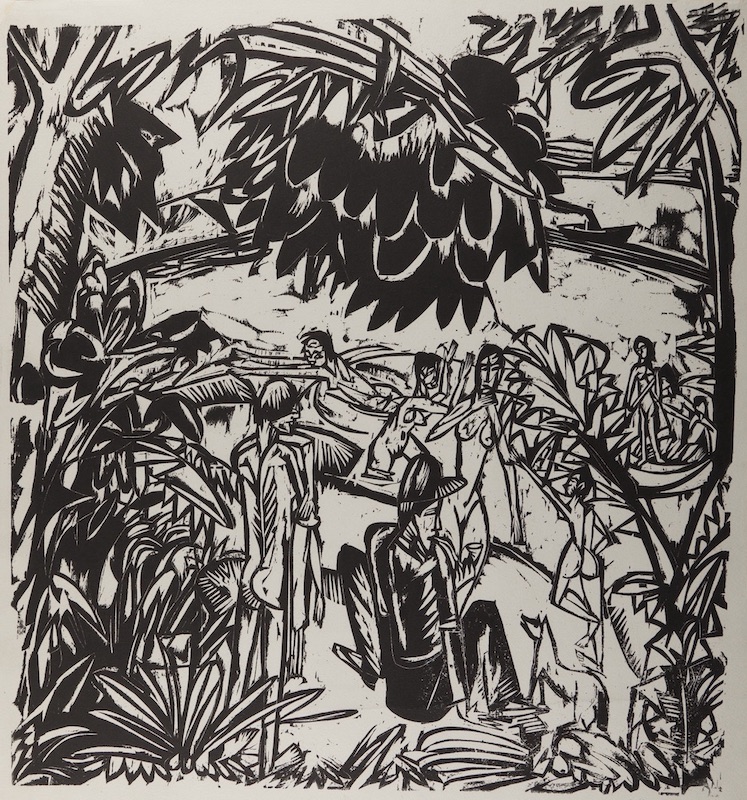
The affiliated artists often turned to simplified or distorted forms and unusually strong, unnatural colors to jolt the viewer and provoke an emotional response. After concentrating exclusively on urban subject matter, the group produced more nudes and idealized rural images. They invented the printmaking technique of linocut, as well as making more traditional woodcut prints, working together communally until 1913 and the start of World War I.
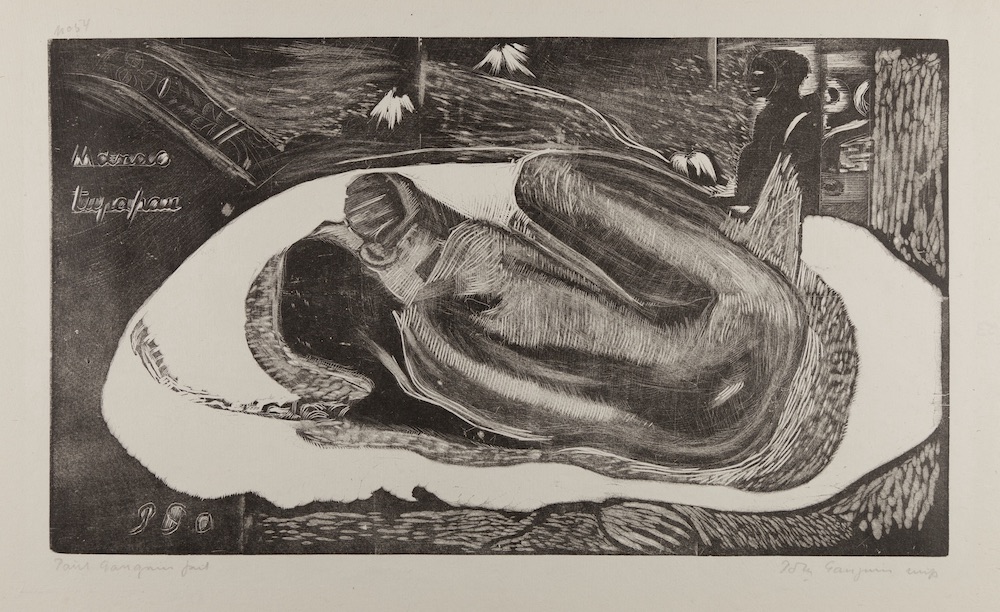
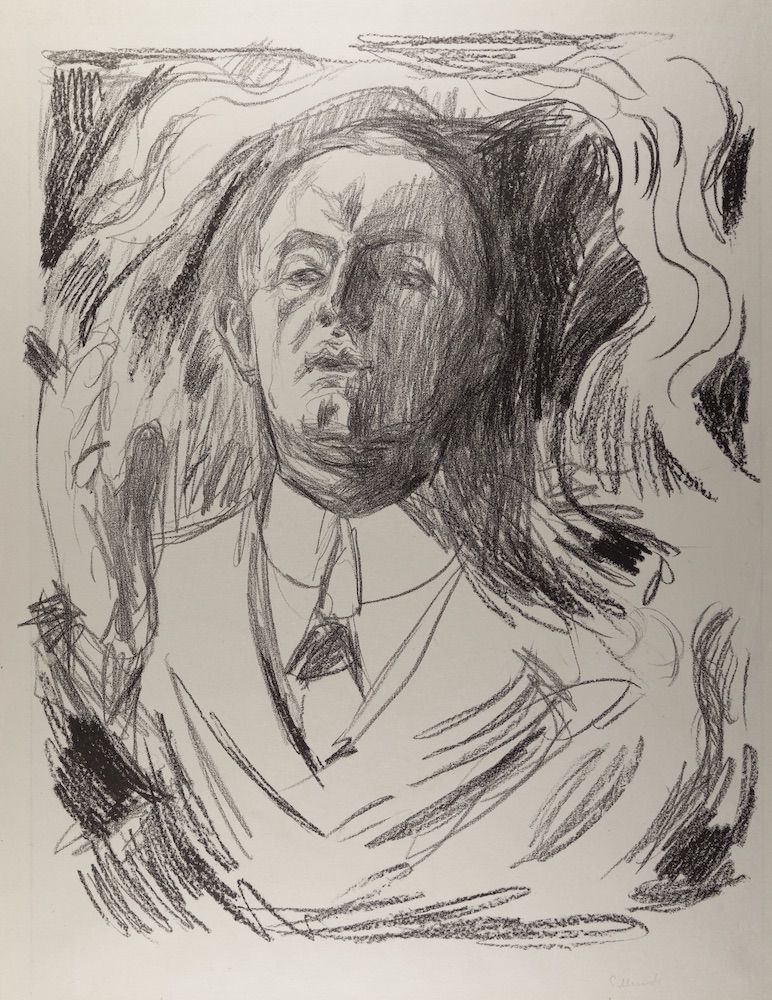
In a protest against established forms of art and the popular aesthetics of their day, Die Brücke artists found inspiration from a wide range of sources, including European Post-Impressionists Paul Gauguin and Edvard Munch, as well as Indigenous art from Polynesia. In 1914, Max Pechstein traveled to Palau, Western Pacific, where he started to work in a style influenced by a Western understanding of Indigenous cultures.
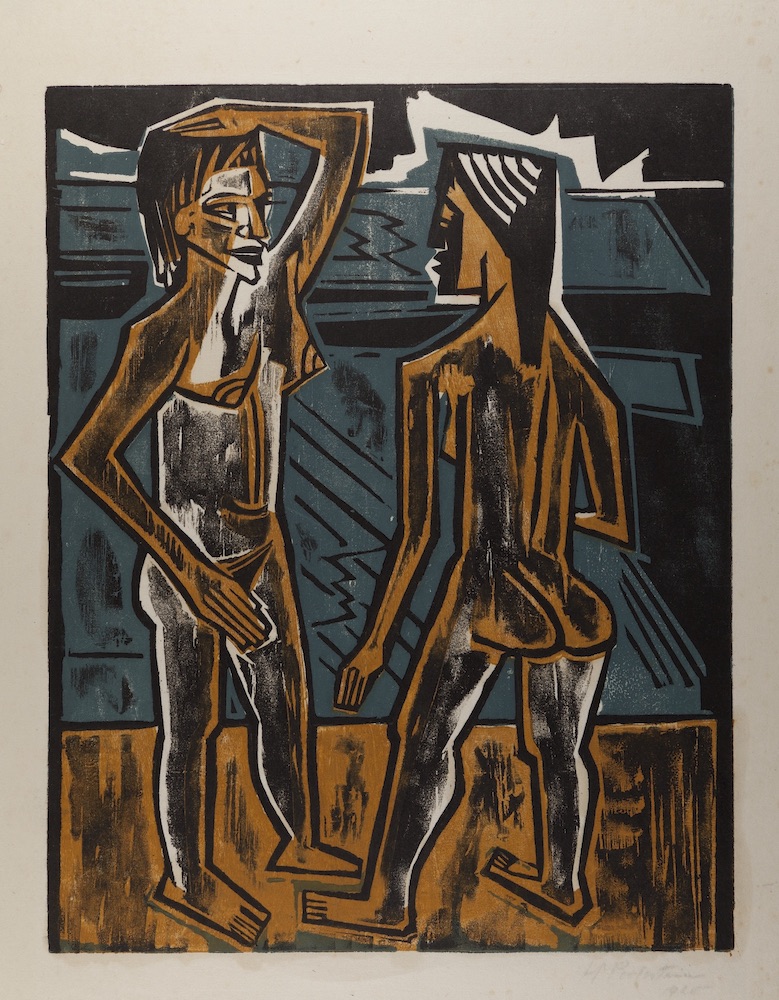
In Two Nudes, the shape of the body is boldly stylized, and the contrast of bold orange and blue creates an exoticized impression. Many of the prints by this group, including landscapes, portraitures, human figures, were simplified but impactful, created with bold outlines and vivid hues, as seen in this piece.
The Bauhaus was an internationally influential German art school active from 1919 to 1933, known for its dramatic impact on modern art and design. Its curriculum combined crafts and fine arts, emphasizing unity, function, and mass production in design. The Bauhaus aimed to reimagine the material world through the arts and embraced new technologies and materials. The school was forced to close in 1933 by the Nazi Party, but its ideas and artists continued to have a worldwide impact. Thanks to Neumeyer’s interests and associations, the art museum has a notable collection of works on paper by artists associated with the Bauhaus, including Josef Albers, Lyonel Feininger, Wassily Kandinsky, and Paul Klee.
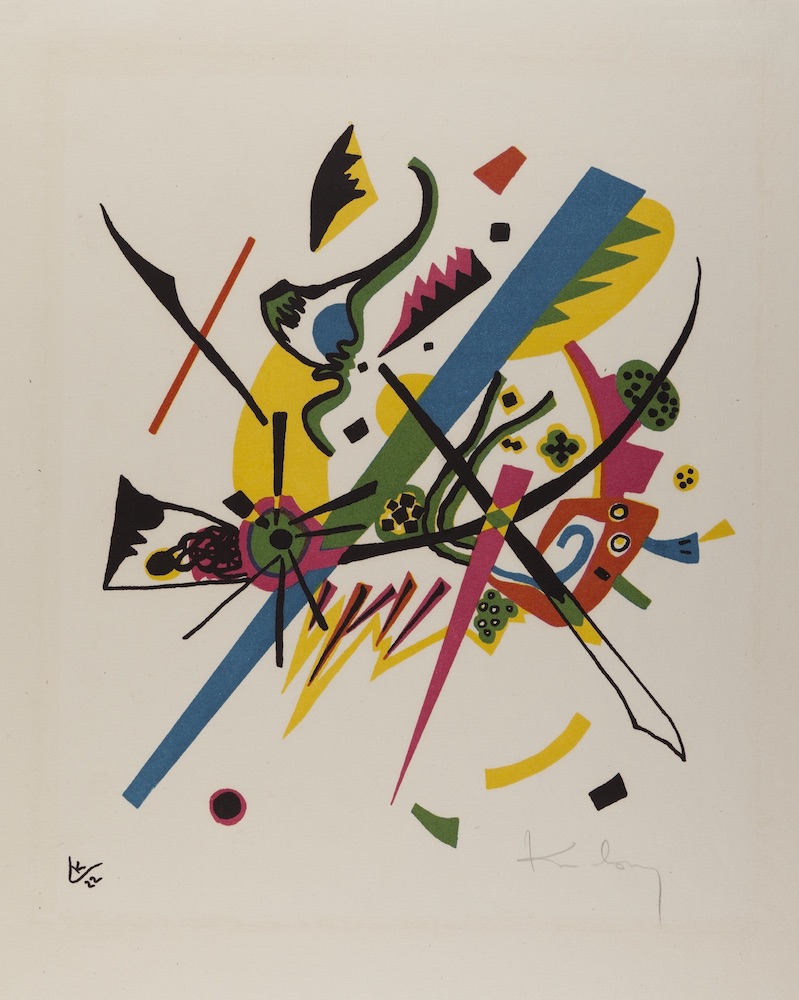
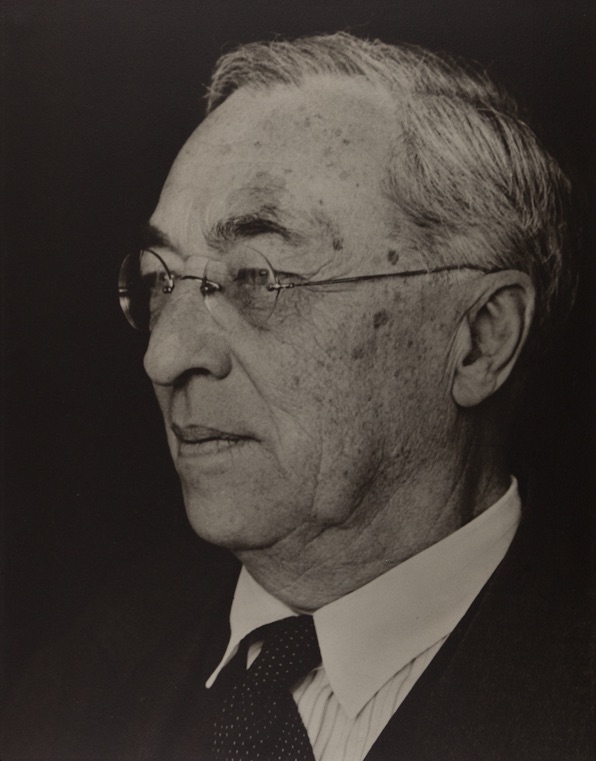
Wassily Kandinsky was a Russian artist whose vibrant, abstract paintings are credited with paving the way for non-objective art. For Kandinsky, abstraction was a spiritual language, and he made the Small Worlds (Kleine Welten) portfolio while teaching at the Bauhaus. In these poetic images, he created a vibrant interplay of line and form, while capitalizing on the strengths of each printmaking method, to evoke different sensations or “worlds.” He used three techniques — drypoint, woodcut, and lithography — each of which had distinct, and for Kandinsky, symbolic, properties. The work in MCAM’s collection is a lithograph from the series, which the artist viewed as a modern and “democratic” printmaking process because it offered a smooth surface, a rich vocabulary of colors and marks, and the opportunity to create a seemingly endless number of impressions.
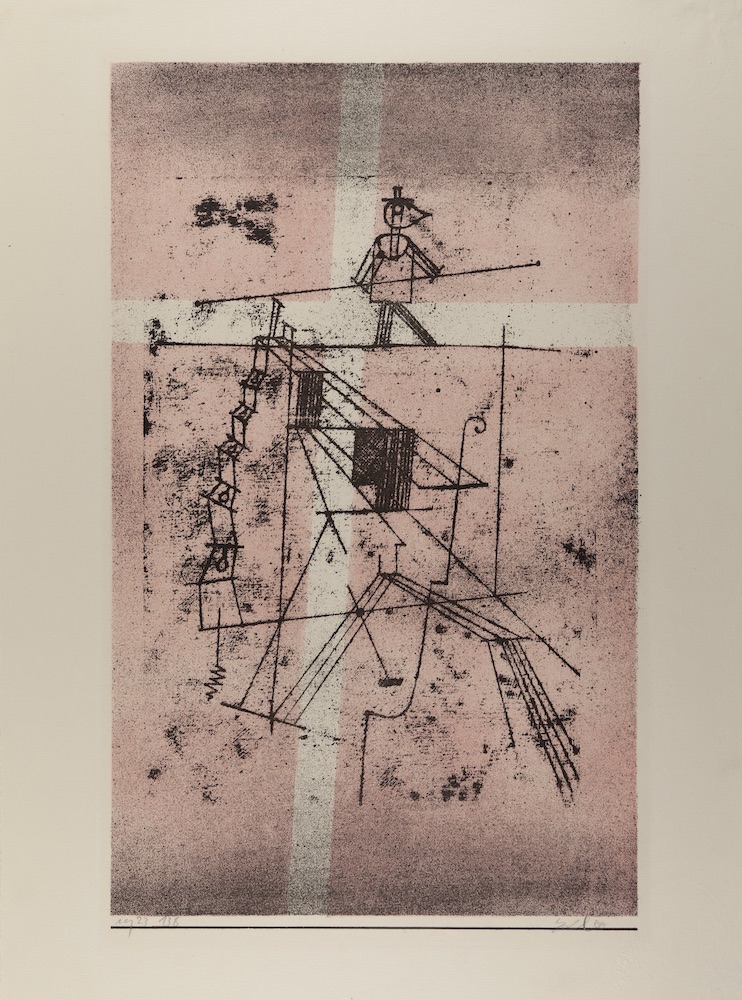
Close friends with Kandinsky, Paul Klee joined the faculty of the Bauhaus in 1920 and produced many works during his tenure, including The Rope Dancer. His works during this period are characterized by a fascination with color, symbolism, and a dark sense of humor. The theme of balance was an important one in Klee’s art and several of his works feature the symbol of a tightrope walker. When his works were later included in the Nazi Regime’s infamous Entartete Kunst (Degenerate Art) exhibition of 1937, Klee returned to his native Switzerland. Personal hardship and the increasing gravity of World War II are reflected in the sober tones of his late work.
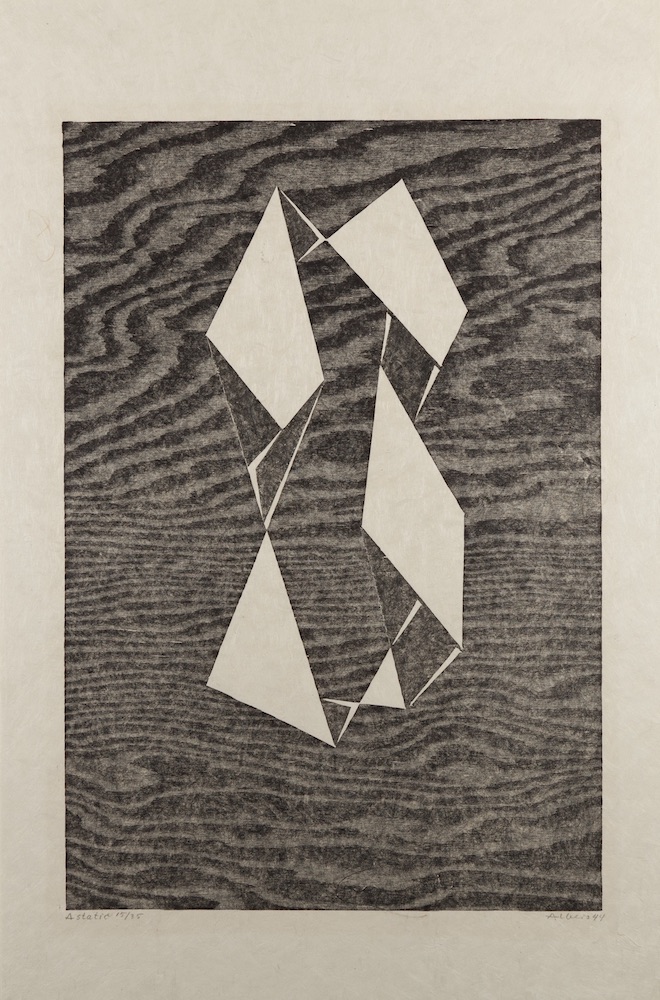
Arriving from Germany in 1933 after the forced closure of the Bauhaus, Josef Albers was one of many foreign artists to resettle in America. He distinguished himself at Black Mountain College in the 1930s and 1940s and at Yale University during the 1950s and 1960s as one of the most influential teachers of the 20th-century. Through him, many future artists were introduced to Bauhaus concepts. Albers became a master of geometric abstraction, continually exploring the subtle potentials of color when used in pure geometric formats. In the mid-1940s, he experimented with different printmaking surfaces such as wood, where he developed reliefs such as Astatic, 1944, in which the surface of the material becomes a key element of the composition. Albers’s full series of woodcut prints were showcased in a solo exhibition at MCAM in 1946.

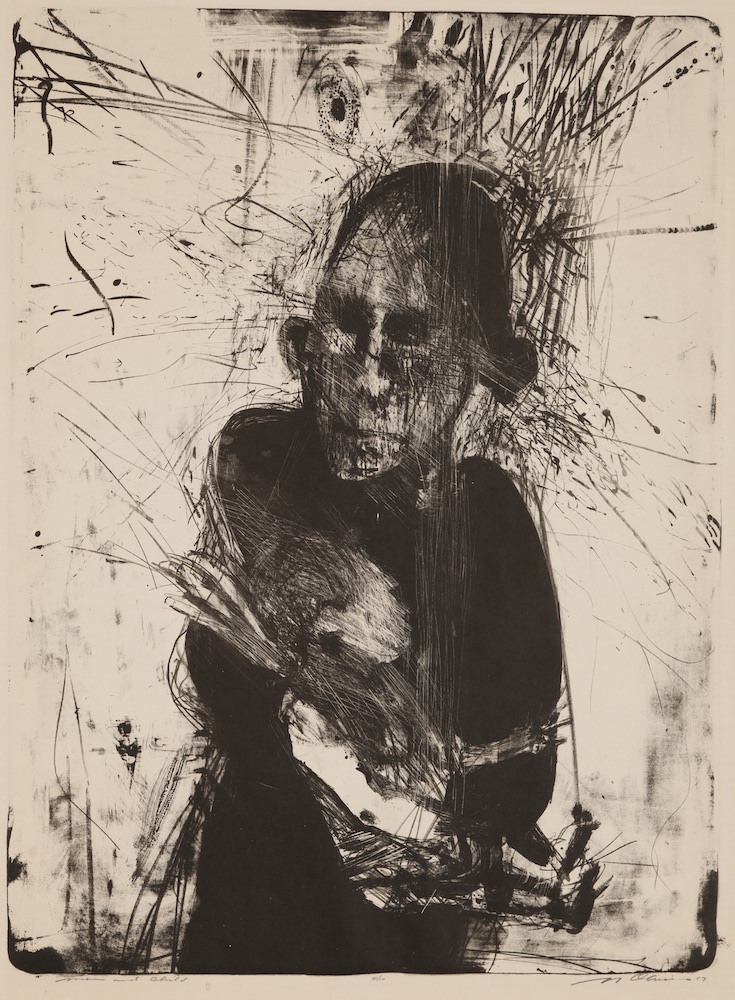
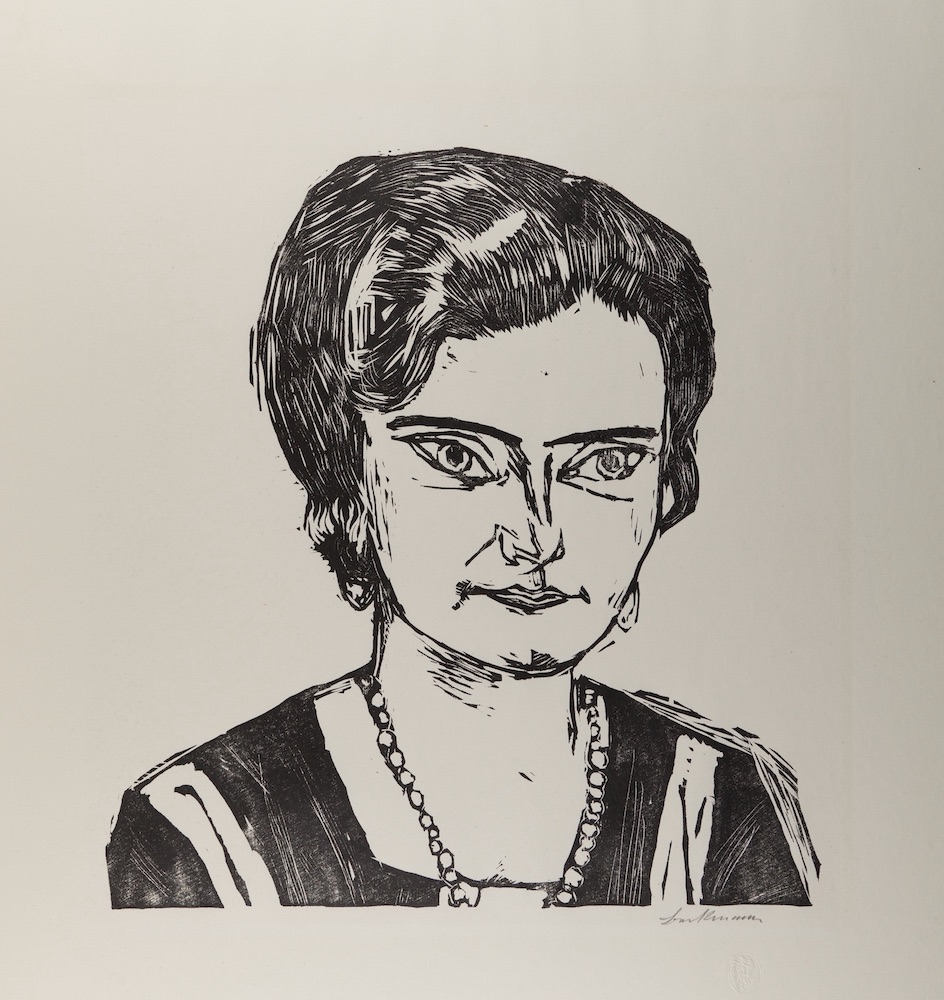
Due to the immigration of European artists during World War II, the impact of Expressionism and the Bauhaus was strong throughout the United States and in the Bay Area. This can be seen in the work of artists such as Nathan Oliveira, a prominent member of the second generation of Bay Area Figurative artists during the 1950s and 1960s. Though he worked with a variety of media, subjects, and disciplines over the course of his long career, Oliveira is best remembered for his depictions of isolated figures created in an improvisational style. Oliveira’s works retain a sense of Expressionist melancholy and anxiety, inspired in part by his classes with German painter Max Beckmann as part of the 1950 Summer Sessions at Mills College.
Following Dr. Neumeyer’s precedent, MCAM’s collection of works on paper continues to grow, anchored by these artists’ innovative responses to the complexities of modern life that continue to resonate today.