Since its founding, one of the most important aspects of the Mills College Art Museum’s mission has been supporting student learning. This has taken many forms, from organizing undergraduate and graduate thesis exhibitions, to teaching curatorial, installation, and collections management skills, to connecting a wide range of courses across disciplines to the museum’s exhibitions and collections. Above all, the museum has prioritized the use of its collections, exhibitions, programming, and staff expertise to foster academic connections that create meaningful impact for our students.


THESIS EXHIBITIONS
MCAM’s gallery has been a showcase for BFA thesis exhibitions and Mills College’s renowned roster of MFA graduate students. From the 1930s on, annual exhibitions celebrated the work of undergraduate students, highlighting class projects in ceramics, drawing and painting, and sculpture.
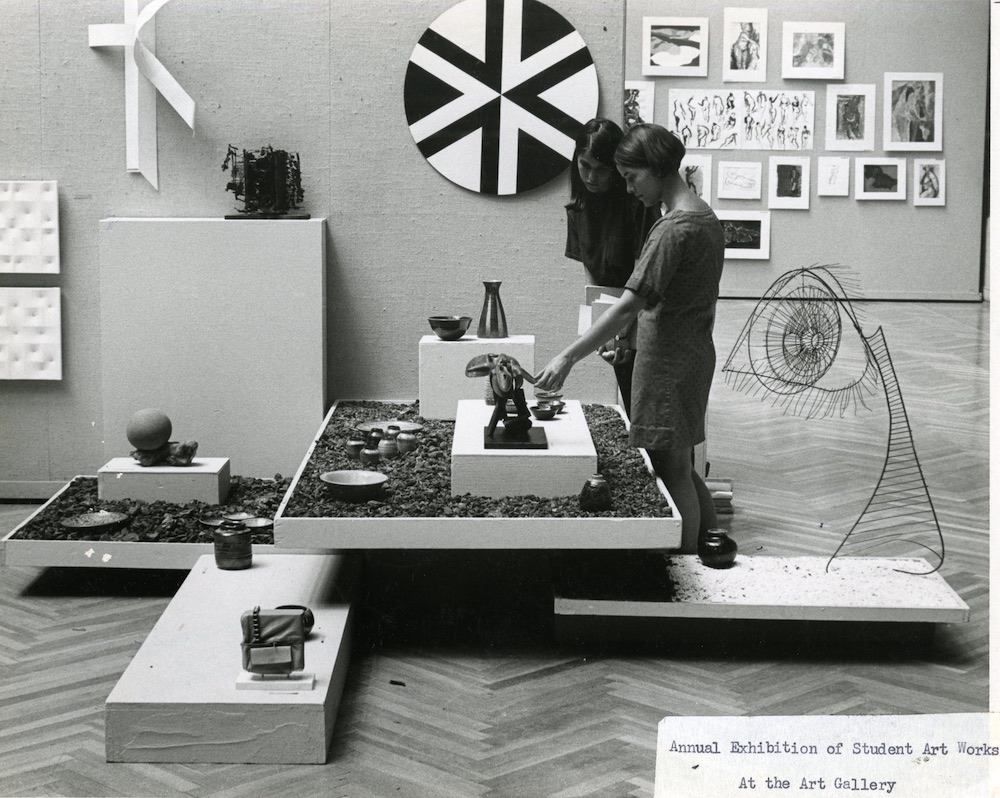
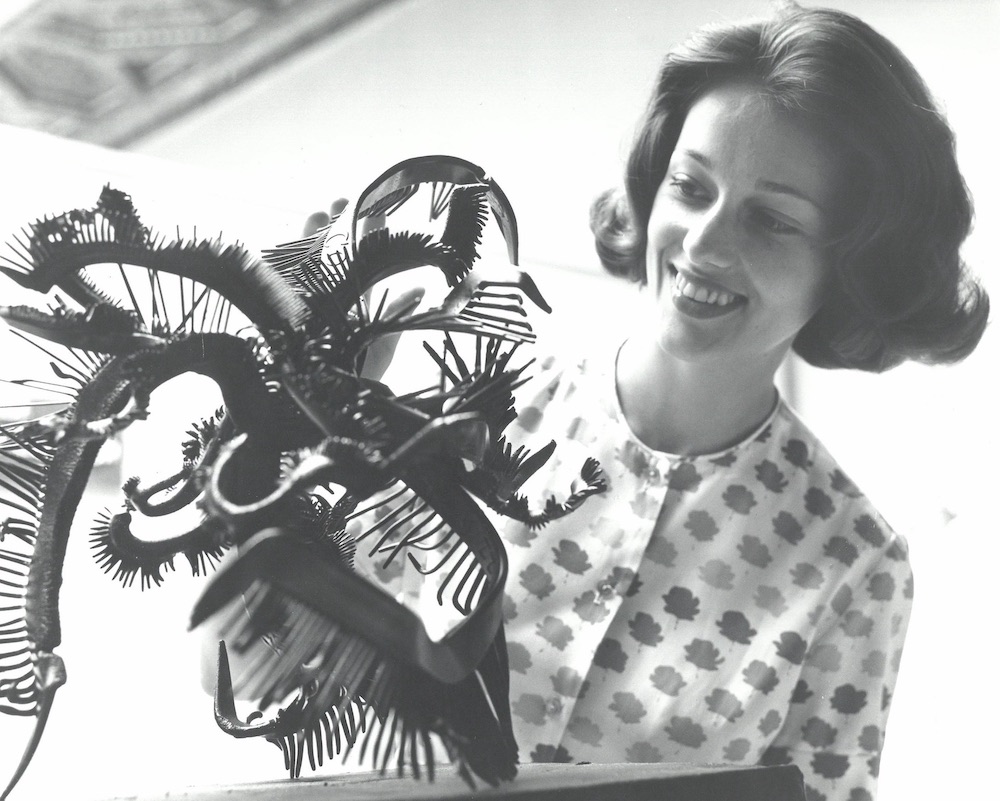
As studio art pedagogy evolved alongside new developments in contemporary art, the senior exhibitions became focused on larger-scale thesis projects that highlighted both conceptual and material choices. Students presented ambitious projects in the museum that often drew from personal narratives and embraced video and installation techniques that would not have been conceivable when the gallery was designed in 1925.
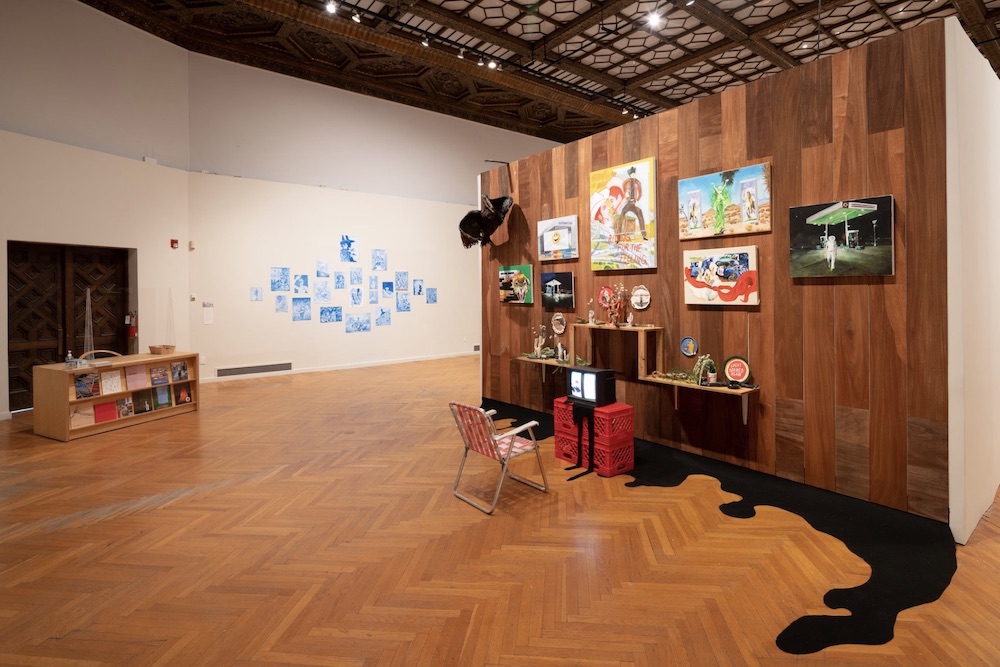
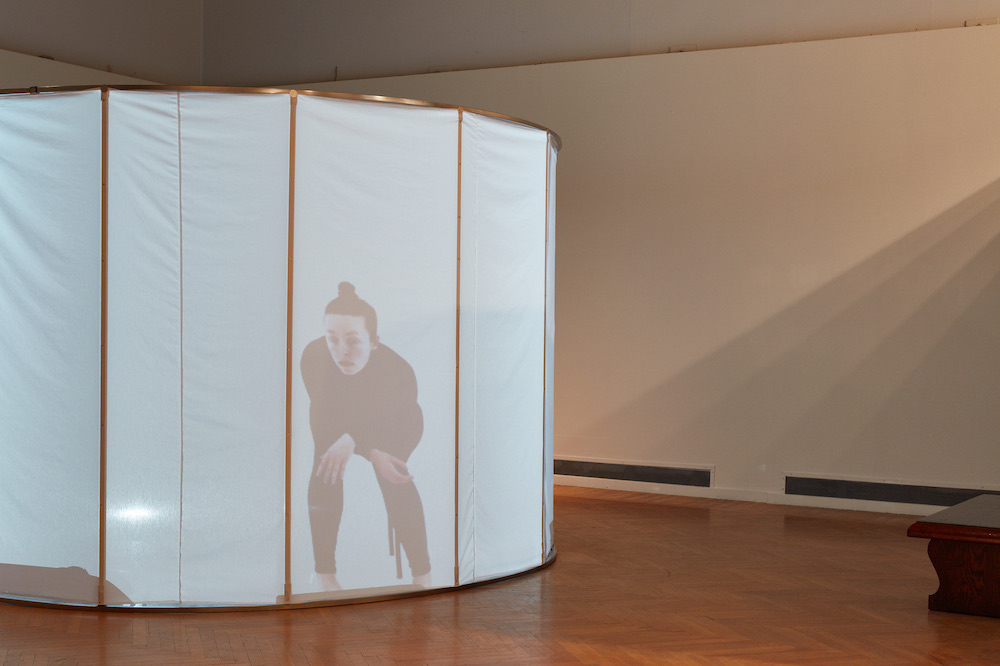
The graduate program in studio arts at Mills was established in 1919 with the goal of training professional artists. Strengths in painting, drawing, printmaking, and applied arts were augmented by innovations in course offerings, such as photography, which was added to the curriculum in 1937. Due to the strengths of the faculty and facilities on campus, by the late 1950s and early 1960s the program was attracting an impressive roster of MFA candidates, including ceramicist Robert Arneson (MFA 1958), painter Carlos Villa (MFA 1963), and painter Elizabeth Murray (MFA 1964).
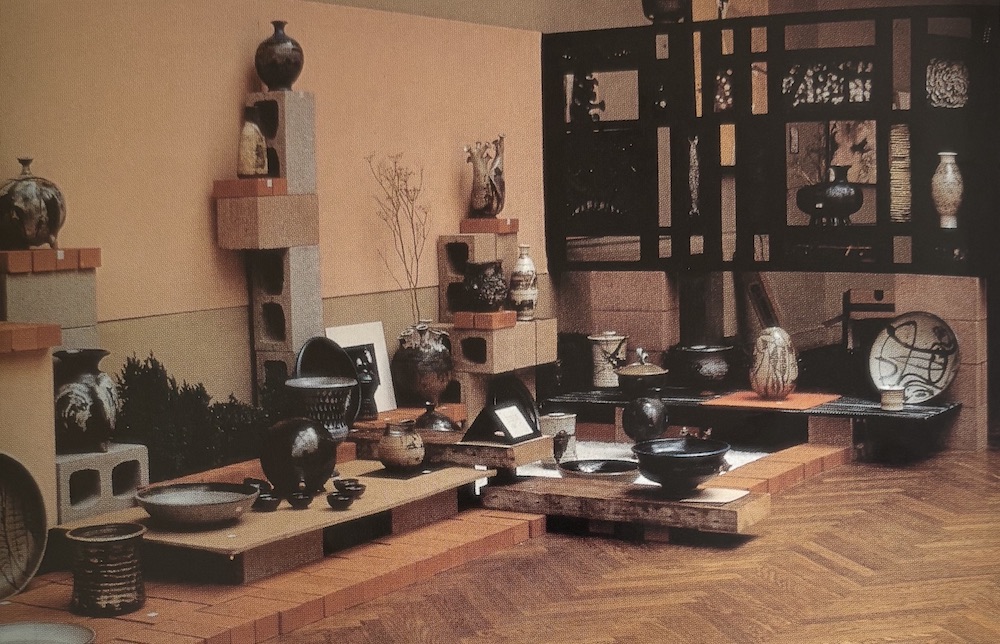
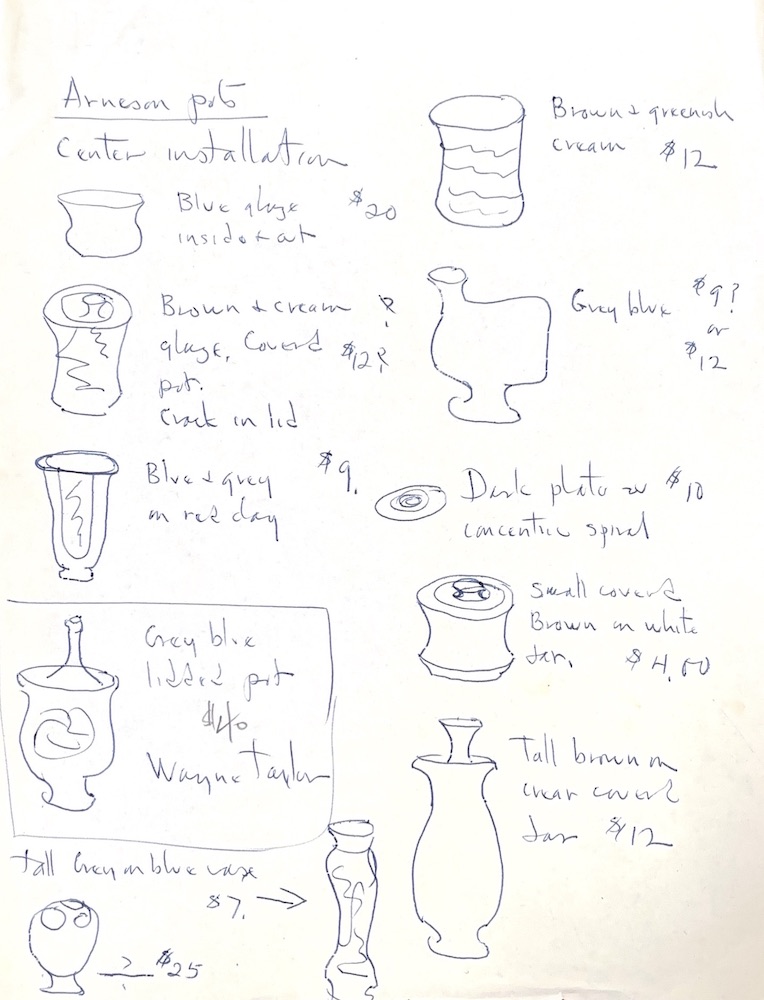
Arneson would go on to become one of the important fathers of Funk Art in the Bay Area, an anti-establishment movement that incorporated found objects, autobiographical subjects, and humor. His MFA exhibition in 1958, however, shows his deep indebtedness to mid-20th century ceramic practices with a focus on modernist forms and complex glazing techniques.
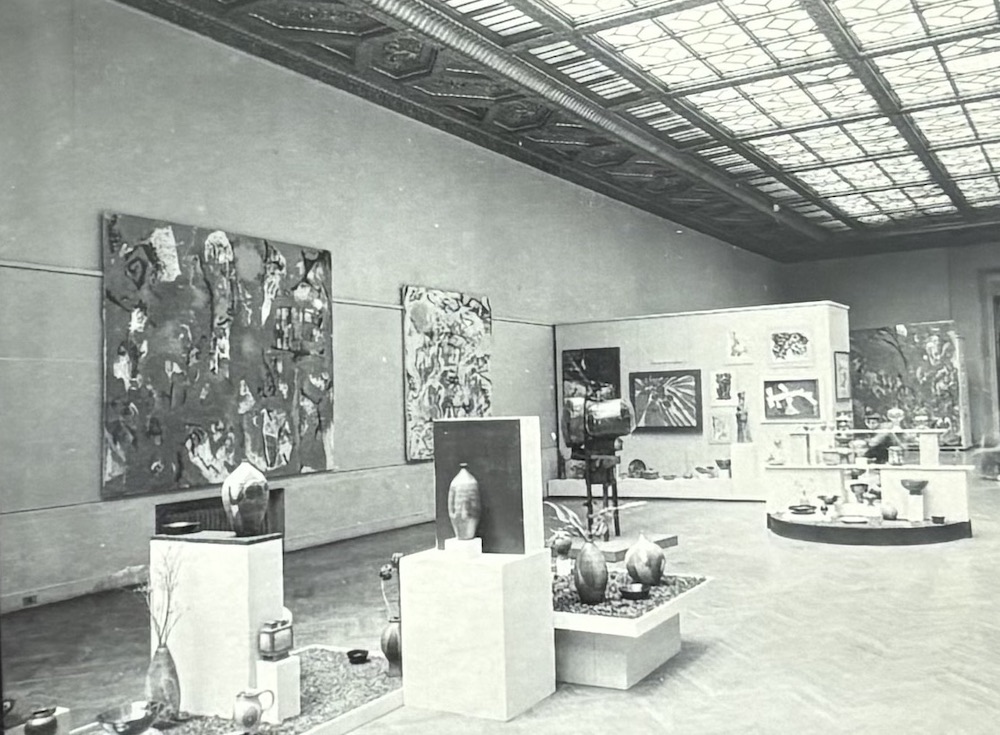

Similarly, we can see the underpinnings of Villa’s vibrant artistic practice in his abstract paintings created at Mills. As an important Filipino American visual artist and curator, Villa’s work sought to expand awareness of cultural diversity. His colorful early paintings led to his experimentation in combining the techniques of Western painting with materials and forms of non-Western art, connecting with ethnographic traditions to explore his own identity.
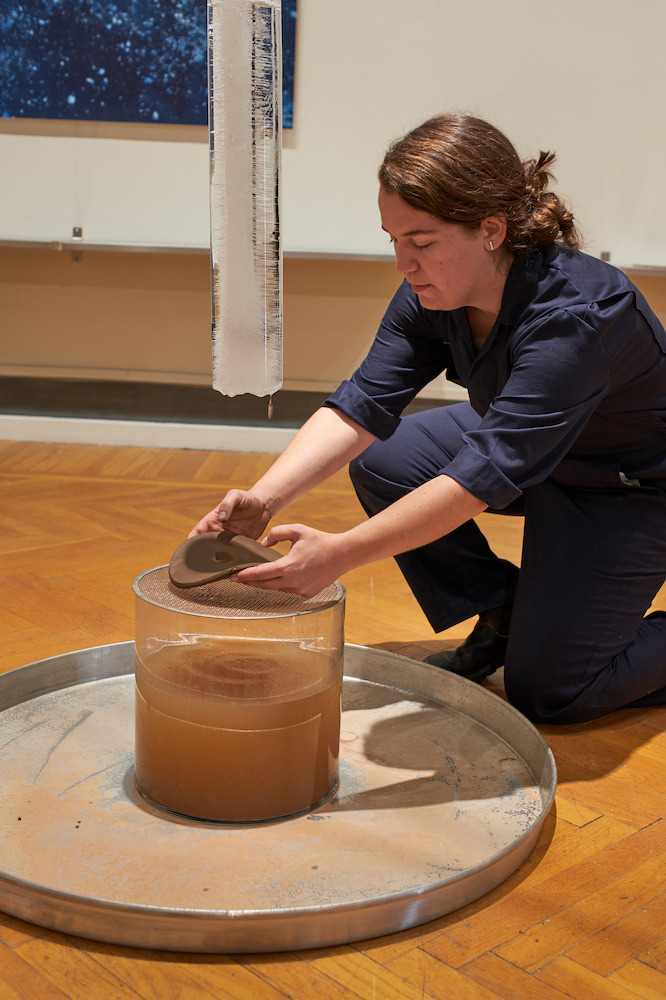
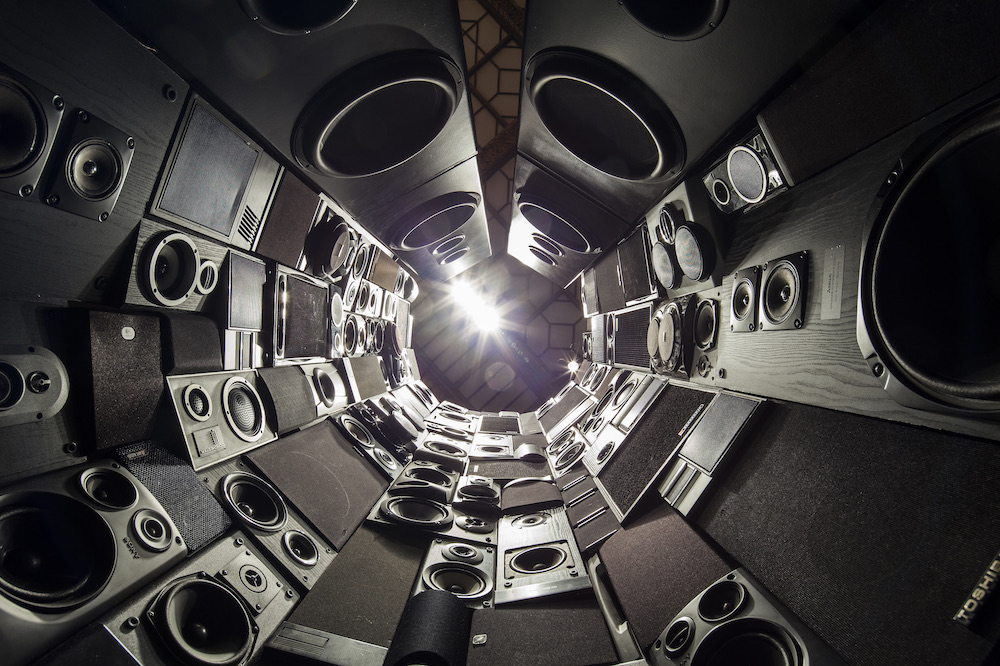
As the studio art program developed, graduate students were encouraged to work across disciplines. In recent MFA exhibitions, students created site-specific installations that examined ideas and phenomena such as the perception of durational light and space, the vastness of geologic time as both material and subject, and sound as a bridge between physical and transcendent moments of awareness.

STUDENT CURATED EXHIBITIONS
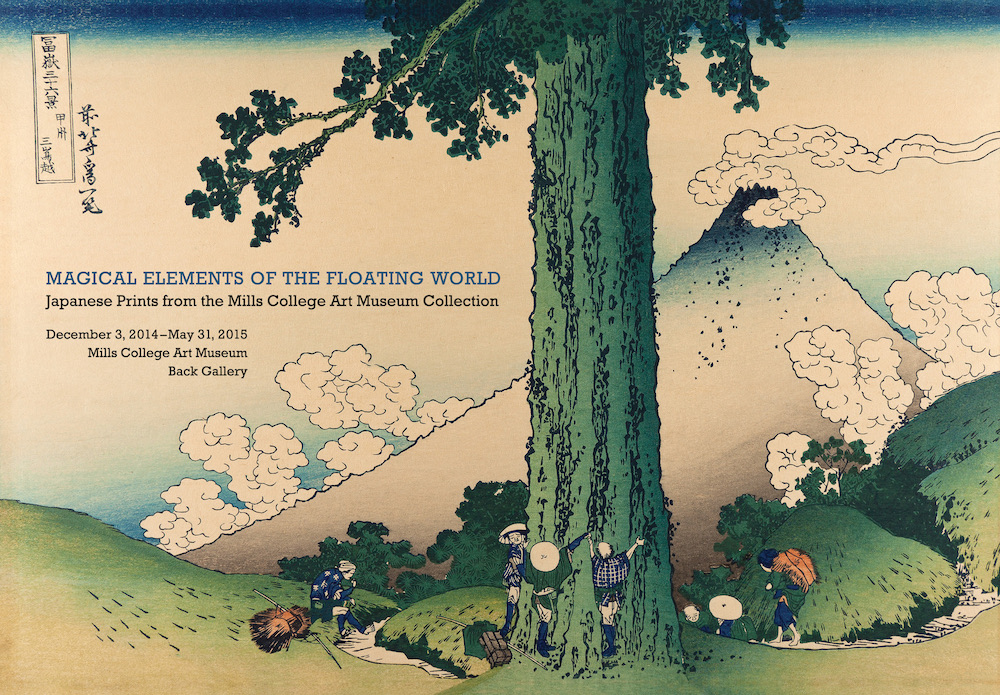
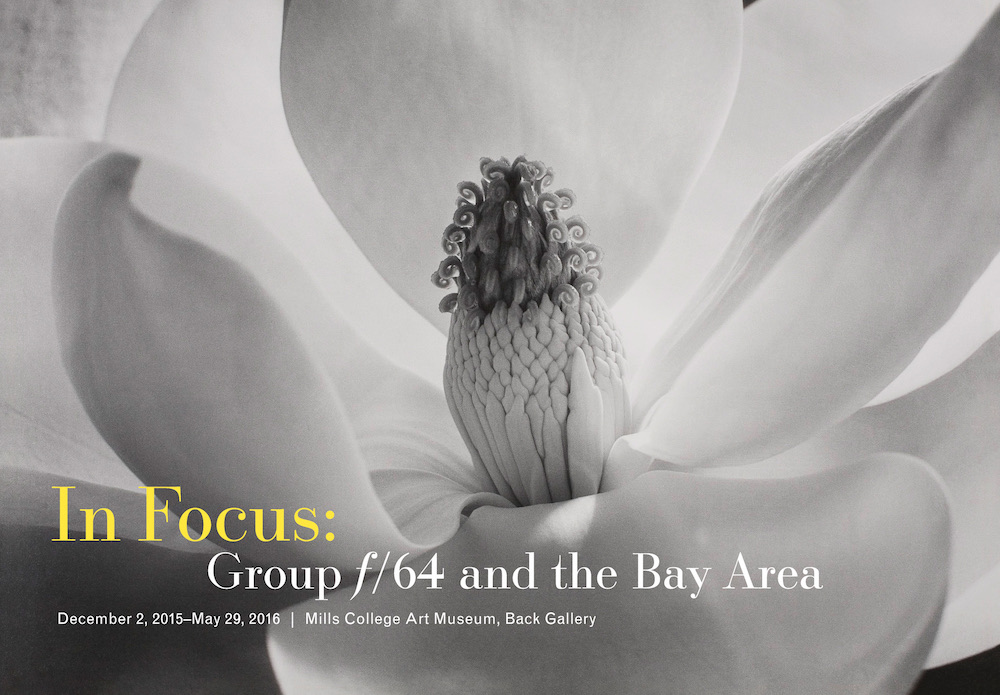
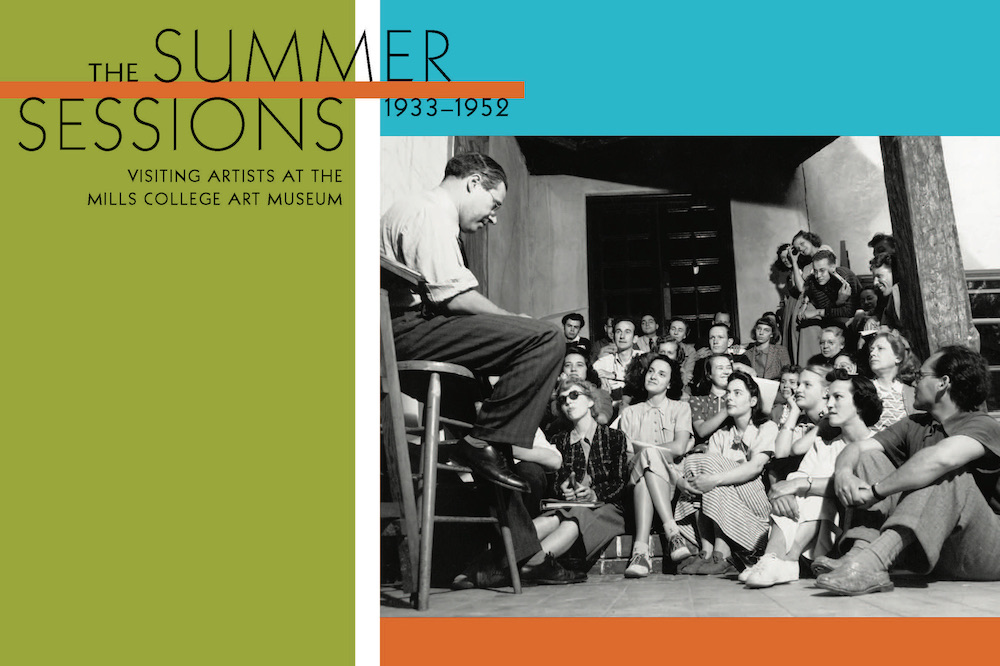
When Dr. Alfred Neumeyer arrived at Mills in 1935 to be Director of the Art Museum, he used the gallery as a laboratory for his students, who participated in all aspects of exhibition planning and installation. He also established the first museum studies course of the West Coast, and MCAM has continued to organize student-curated exhibitions and teach curatorial practices. This has provided valuable professional development opportunities for students to curate exhibitions using works of art from the museum’s collection. Students have researched and created exhibitions focused on individual artists in the collection—such as photographers Imogen Cunningham and Bill Owens—as well as important strengths of the collection, including Japanese woodblock prints, modernist photography by members of Group f/64, and the work of European refugee artists who participated in the Summer Sessions at Mills College from 1933-1952.
Recent student curated exhibitions have examined contemporary artists’ critiques of traditional visual representations of race, culture, and gender to bring attention to power dynamics and socio-political issues. The exhibition You’re Seeing Less Than Half the Picture explored the role artists have played in helping us understand institutional authority and how choices are made regarding what we see in art museums.

Students used the progressive feminist artwork of the Guerrilla Girls as a touchstone, taking the exhibition’s title from the 1989 Guerrilla Girls poster You’re Seeing Less Than Half the Picture Without the Vision of Women Artists and Artists of Color to create an exhibition that questioned the lack of diverse narratives in cultural institutions by foregrounding the work of traditionally under-represented artists.
Student curated exhibitions are accompanied by catalogues that showcase student scholarship, allowing students to publish new perspectives and original research. In addition, the museum established a Student Acquisition Fund to support acquisition proposals from students in the Museum Studies Workshop course.
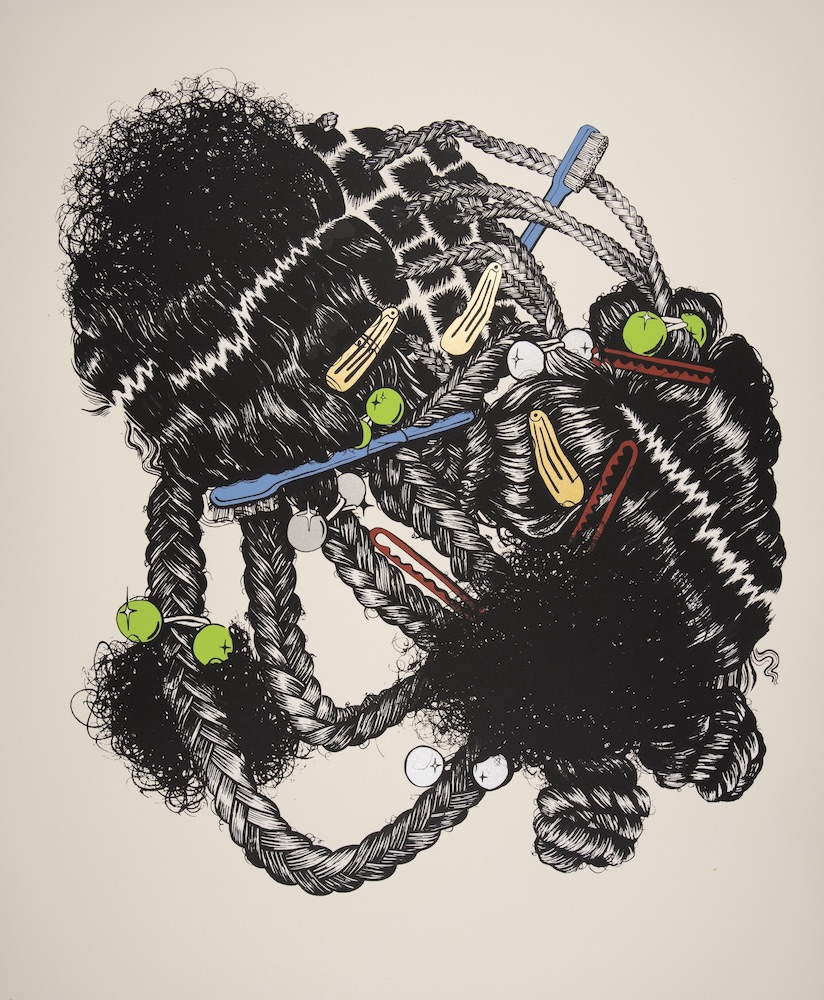
Using specific acquisition guidelines, students identified, researched, and justified specific works for acquisition to a collections committee made up of faculty and museum staff. All works had to fit within a specific budget and align with MCAM’s collection priority of diversifying its collection and supporting work by local artists of color, LGTBQ identifying artists, and women artists. Over 18 works of art have been acquired for the collection thanks to this student initiative.
EXPERIENTIAL LEARNING OPPORTUNITES
Among the most valuable resources that the museum offers students are experiential learning opportunities. Student employees receive hands-on, professional training in visitor services, art handling, collection housing and cataloging, digitizing, and exhibition installation. The museum has developed a robust professional development program for students in digital collections management, archiving, and publicity.
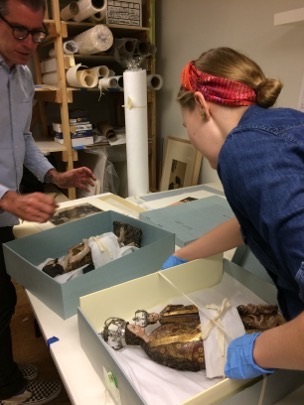
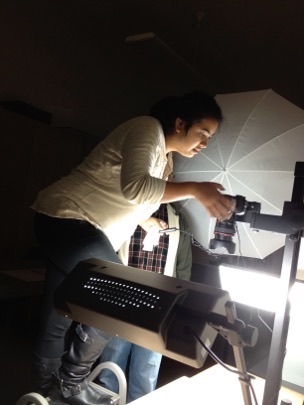
In 2012, MCAM undertook a major collection digitizing initiative that resulted in a searchable on-line collection, and the museum’s first complete collection database, inventory, and physical rehousing. Students have been integral to this collection digitizing initiative, gaining valuable training in photographic copy work, and digital post-production of collection images, while working directly with the museum’s staff to help catalogue and store works in our collection and learning best practices for handling and archiving artwork.
In Spring 2025, MCAM was thrilled to welcome our first Co-op student to assist in collections management and research for the museum’s collection. Working directly with artwork and archives, this position helps manage collection research requests, improve cataloguing information and update the museum’s collection database, learn how to handle and store a wide range of objects, assist with digitizing new acquisitions, and produce digital content about the collection.
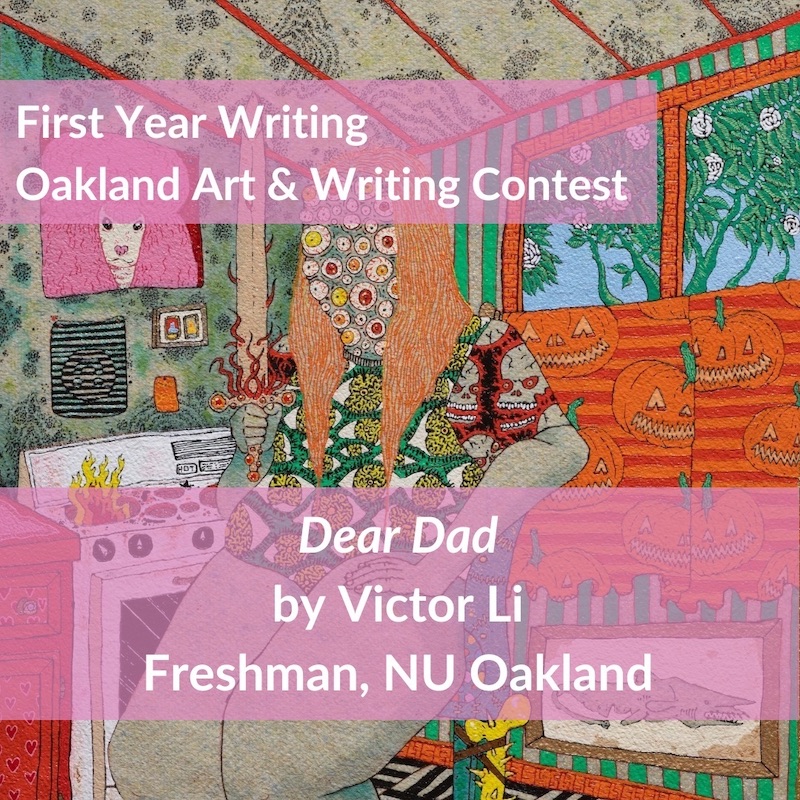
Student learning is also furthered through academic engagement with the museum’s exhibitions and collections. The museum actively develops academic partnerships to promote student engagement with issues and ideas that are explored in classes. A recent partnership with the First Year Writing faculty created an Oakland Art and Writing Contest, resulting in the publication of very thoughtful student letters written about artwork on view in the gallery.
Through these activities, MCAM continues its legacy as an academic art institution with the unique ability to serve as a student focused space that encourages critical and creative thinking about the world we live in.