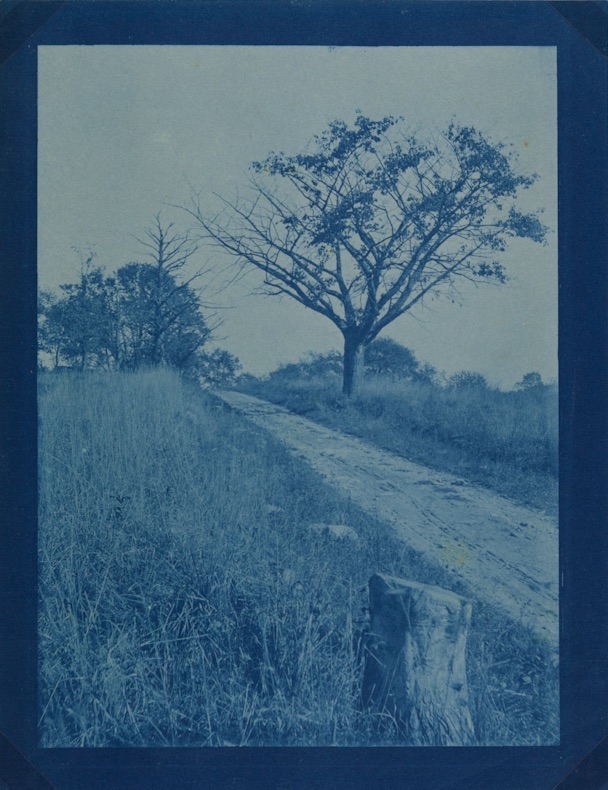
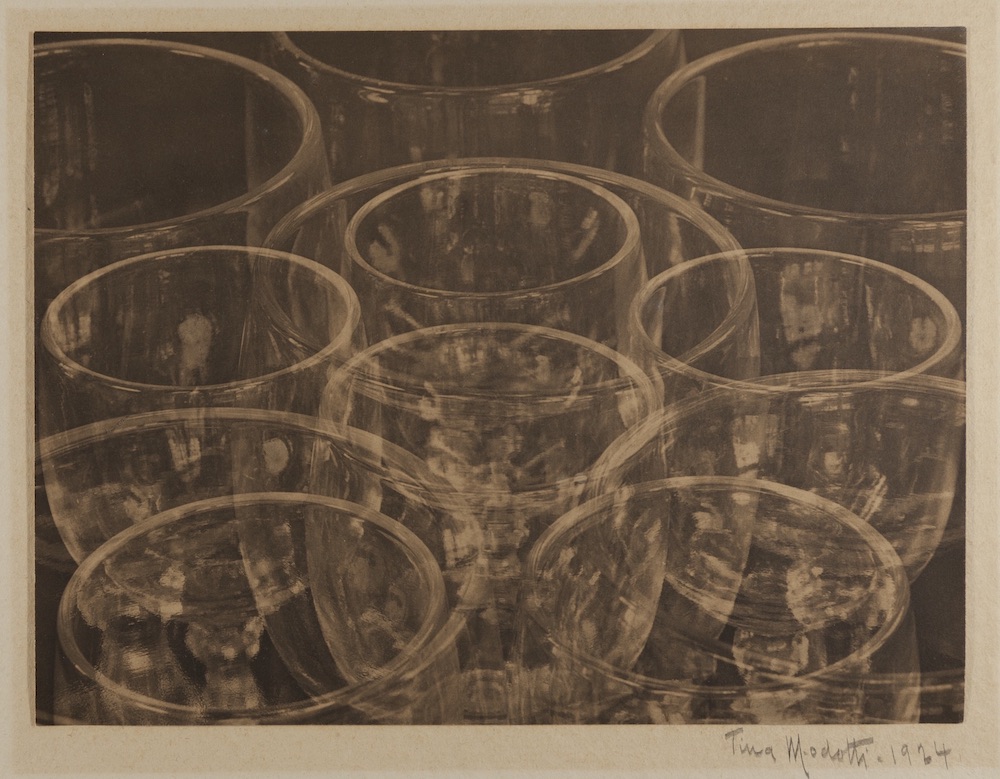
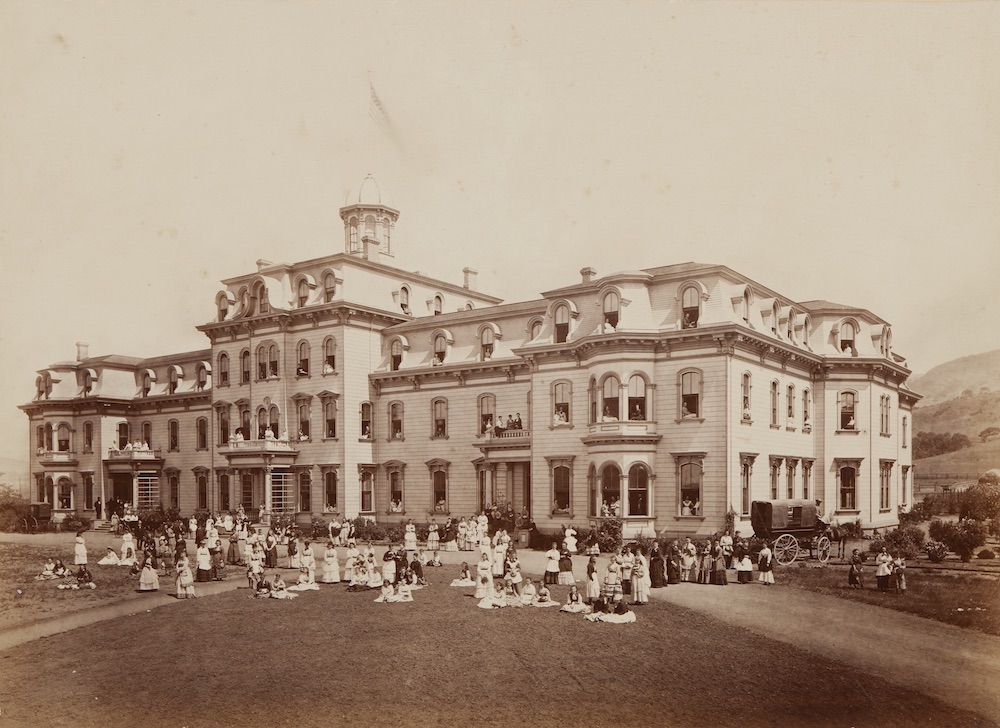
The Mills College Art Museum has been an important center for photography since the early 1930s, a particularly rich period of photographic development in the San Francisco Bay Area. The museum’s collection contains works by many of the preeminent San Francisco-based photographers of the time, such as Ansel Adams, John Gutmann, and particularly Imogen Cunningham, whose images captured the campus and student life at Mills College. In addition to a significant collection of vintage prints, including important works by Arthur Wesley Dow, Tina Modotti, and Eadweard Muybridge, the museum also has strong holdings of contemporary photography with works by Catherine Opie, Catherine Wagner, and the recent addition of O.M. France Viana’s work to the collection.
It is MCAM’s unique holdings of the work of Group f/64 photographers, however, that demonstrate a special and deep connection between the museum and this pioneering group of artists. Founded in 1932 with an inaugural exhibition at the M.H. de Young Museum in San Francisco, Group f/64 was an influential group of Bay Area-based photographers including Adams, Cunningham, and Edward Weston.
Their name refers to the smallest lens aperture on their large format cameras, which allowed them to capture the greatest possible depth of field to create sharply detailed prints. They shared a modernist photographic aesthetic characterized by sharp-focused and closely cropped images seen from a particularly Northern Californian point of view. They shared a conviction that photography must emphasize its unique capabilities that distinguish it from other arts in order to establish the medium’s pure identity. Although Group f/64 dissolved by the end of 1935 due to the Great Depression and members relocating, the group’s influence extended internationally, contributing significantly in establishing photography as a recognized art form and dramatically influencing the direction of modern photography.
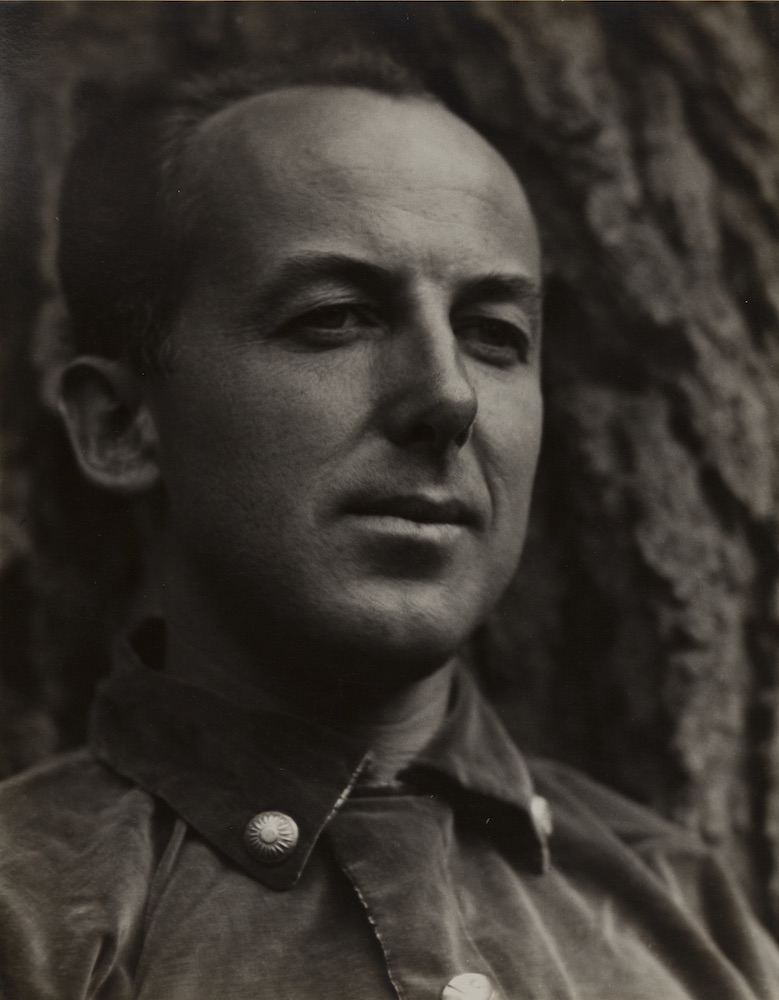
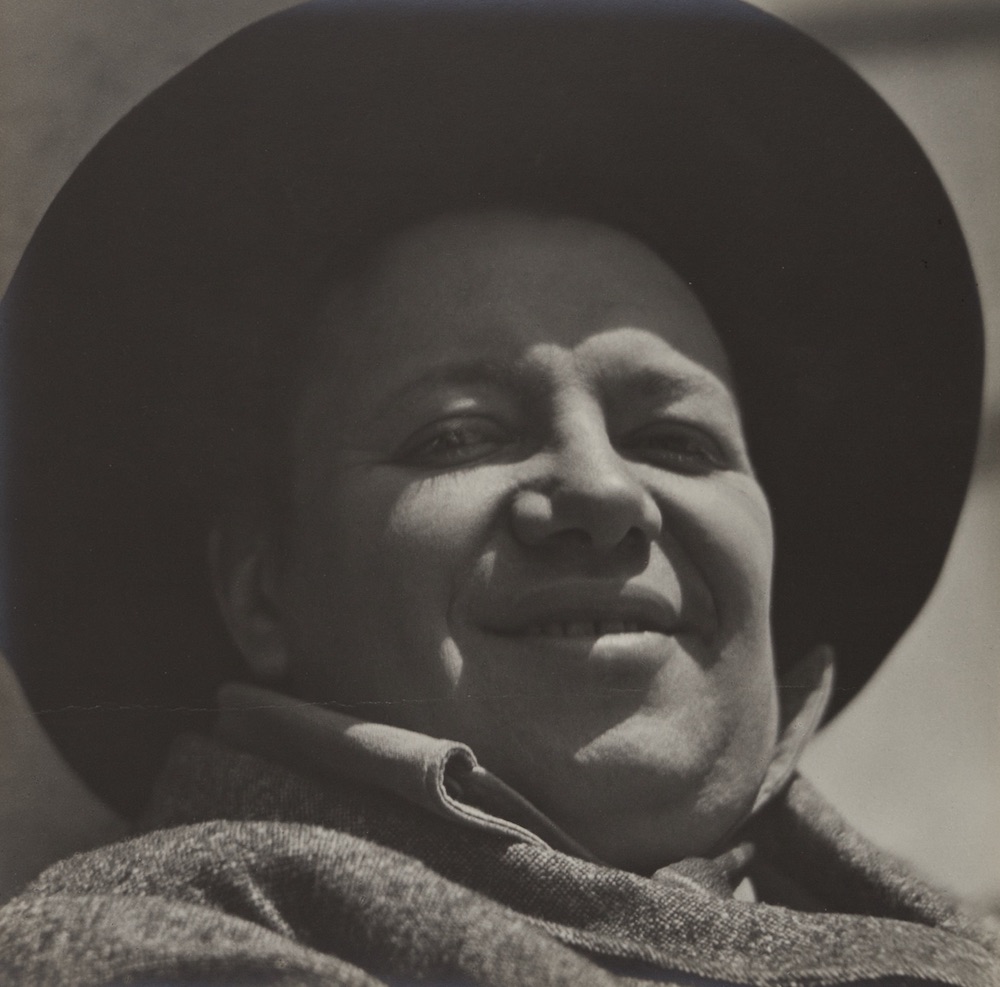
MCAM’s collection represents a combination of both iconic modernist images, including botanicals by Cunningham, as well as more unusual examples of the artists’ work, such as early portraits and still-lifes by Adams. The collection also contains site-specific images, including photographs taken on the Mills campus and portraits of innovative visiting artists and faculty, including experimental composer Henry Cowell and muralist Diego Rivera.
Above all, the museum’s photography collection demonstrates the influence of Albert Bender, the San Francisco philanthropist who helped found MCAM in 1925 and who financed Ansel Adams’s first portfolio of photographs, Parmelian Prints of the High Sierras, in 1927.
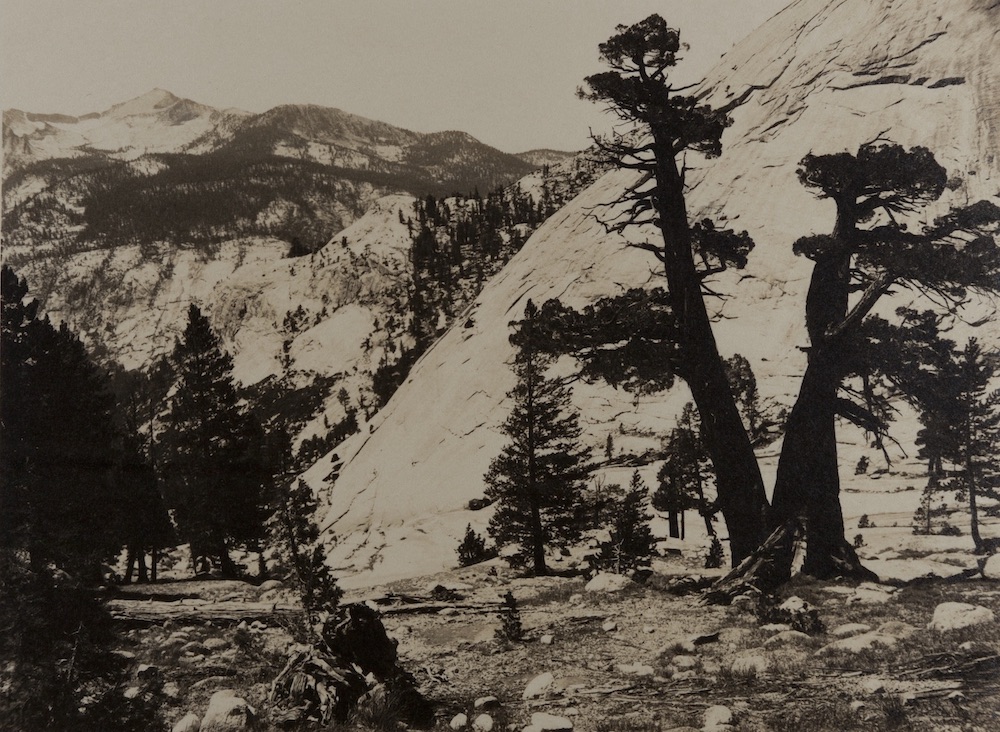
Adams was renowned for his emphasis on landscape and environmentalism in his black-and-white photographs of the American West. At age twelve, his first experience using a camera coincided with his first time visiting Yosemite National Park, a connection that would inspire his photographic career in the years to come and forge his advocacy for environmental conservation.
Adams was employed by the United States Department of the Interior as a national park photographer, a job which sent him throughout the country in an effort to capture the natural grandeur of American wilderness. His photography ultimately aided in the expansion and conservation of the National Park system.
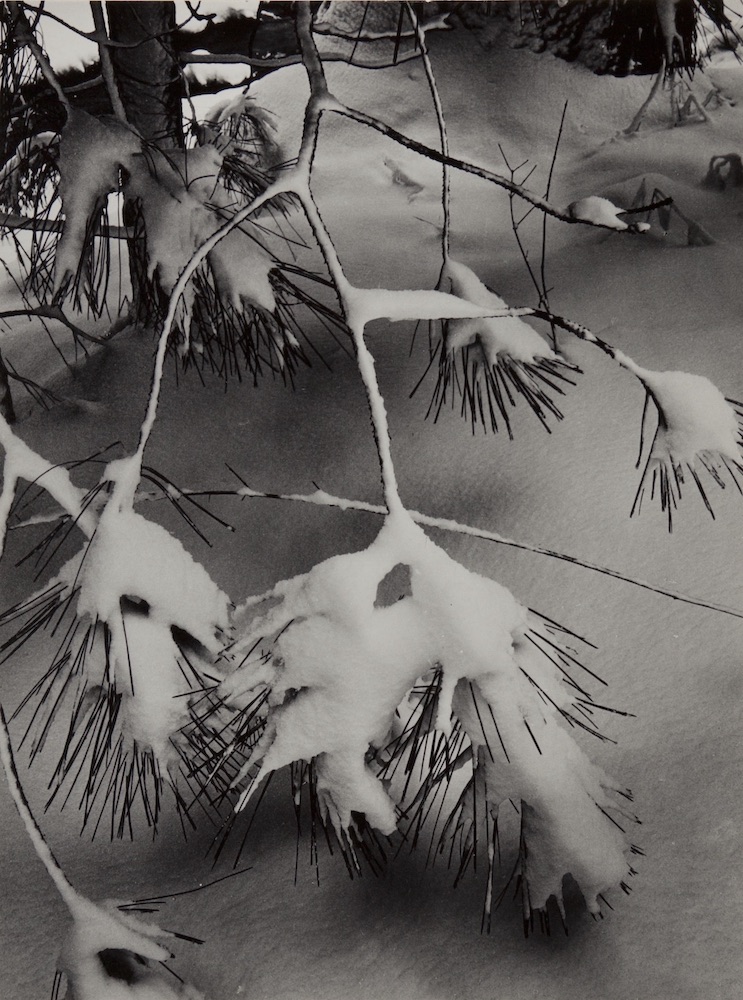
Winter—Yosemite Valley, 1959, epitomizes Adams’ extensive work photographing the natural wonders of Yosemite Valley. This image is a microcosm of his body of work, conveying the same aesthetic charm of nature that his more majestic pieces of El Capitan boast, but in a more intimate manner.
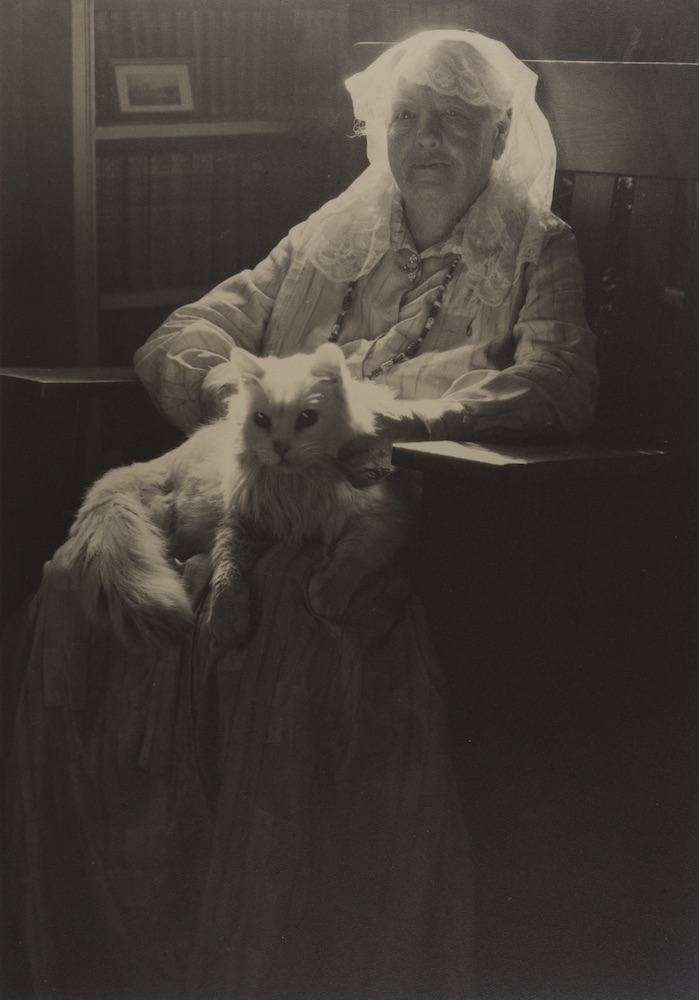
Due to their early friendship, MCAM has early photographs by Adams that were in Bender’s personal collection. This includes a remarkable portrait of Ina Coolbrith, California’s first Poet Laureate and prominent San Francisco literary figure, taken in 1926. Introduced to one another by Bender, Adams captures Coolbrith and her white Persian cat using the soft-focus Pictorialist aesthetic that he would later denounce as part of Group f/64.
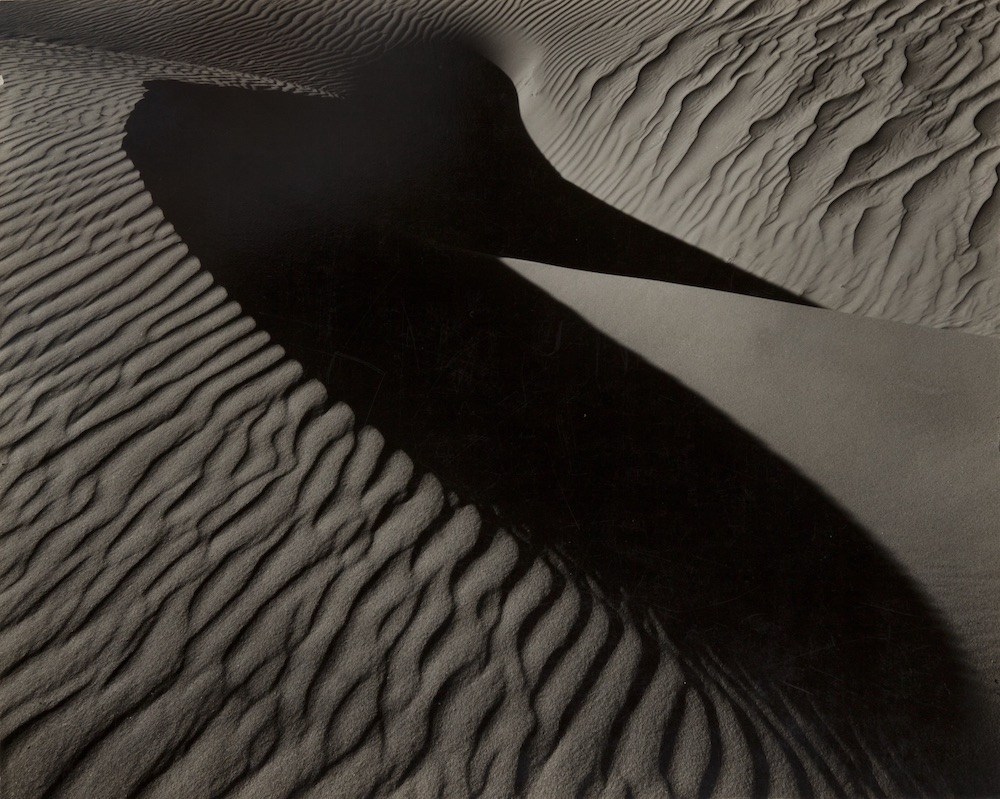
Bender was a close friend of many of the members of Group f/64 and actively encouraged them in their photographic pursuits, including Edward Weston, a seminal photographer whose radical approach to composition, lighting, and form changed the history of the medium. Over the course of his career, the artist’s style shifted from the blurred painterly effects of Pictorialism to crisply focused images. Weston and his son Brett are best known for their lyrical black-and-white treatment of the natural world that emphasized abstract qualities, as seen in their sensual images of central California sand dunes.
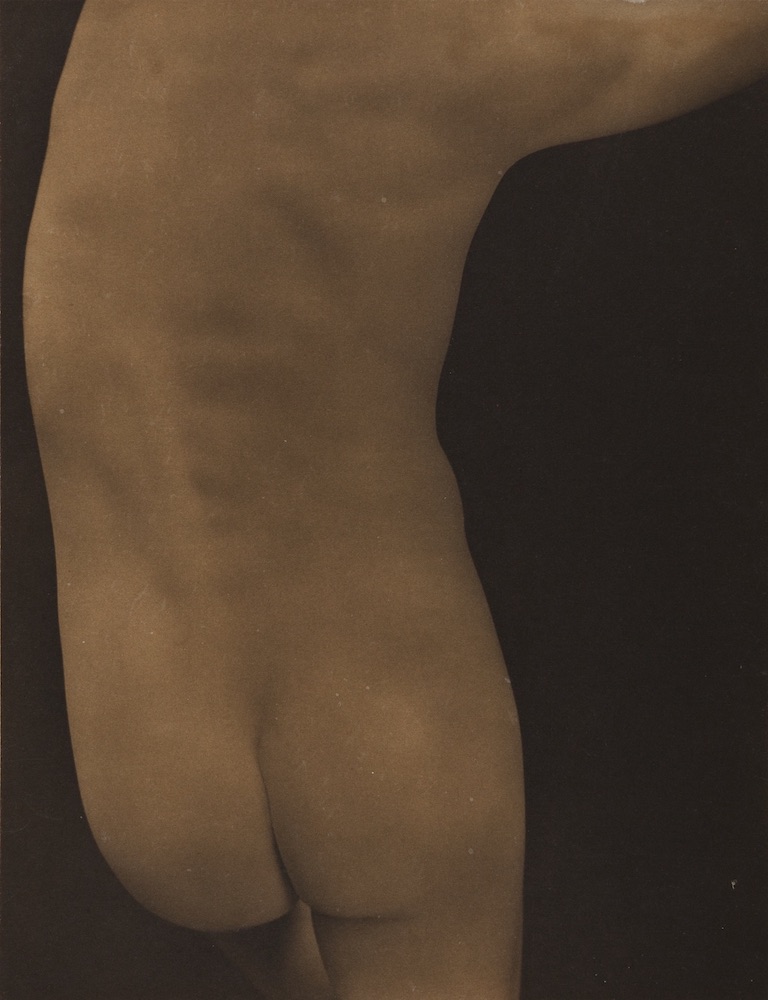
Revolutionary in their day, Group f/64 was one of the first modern art movements equally defined by women. Primary among the group was Imogen Cunningham, who served as the Mills College campus photographer and was married to Roi Partridge, the first director of the Mills College Art Museum. Known for her botanical photography, portraits, and industrial landscapes, Cunningham had a vast knowledge of chemistry, which was her major in college and provided her a deep technical understanding of photography.
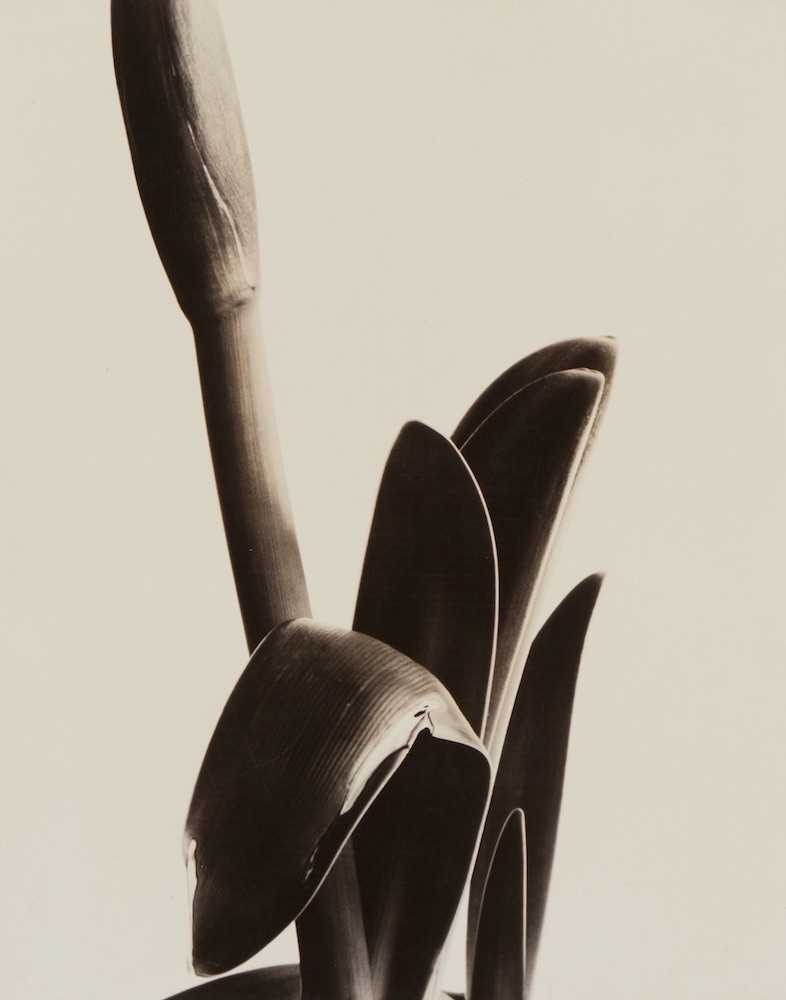
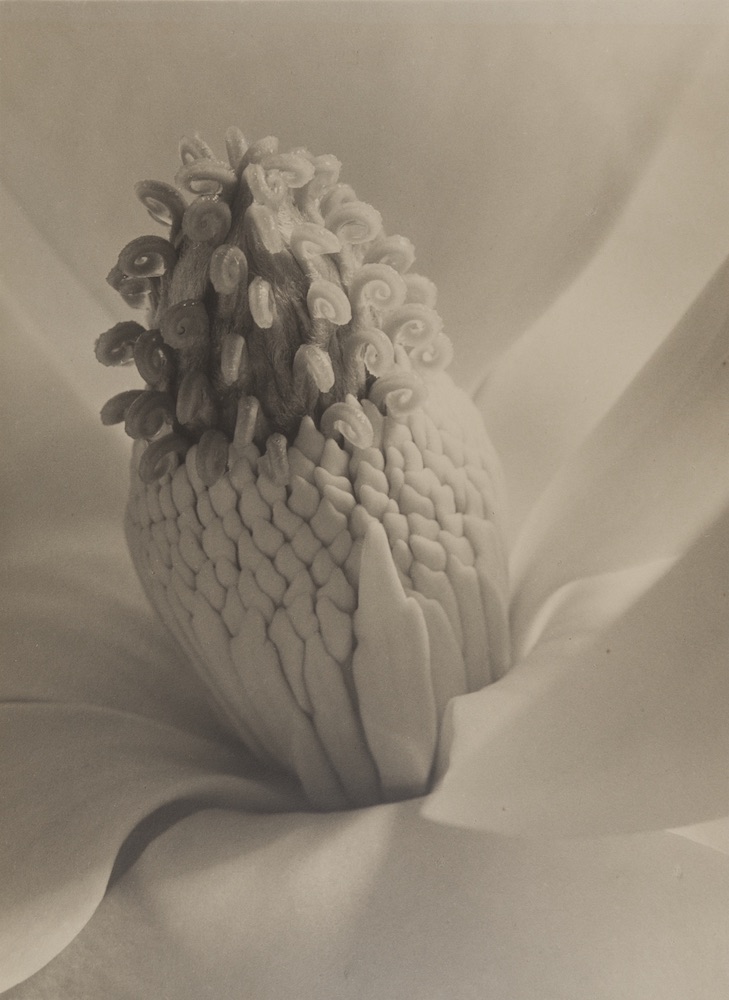
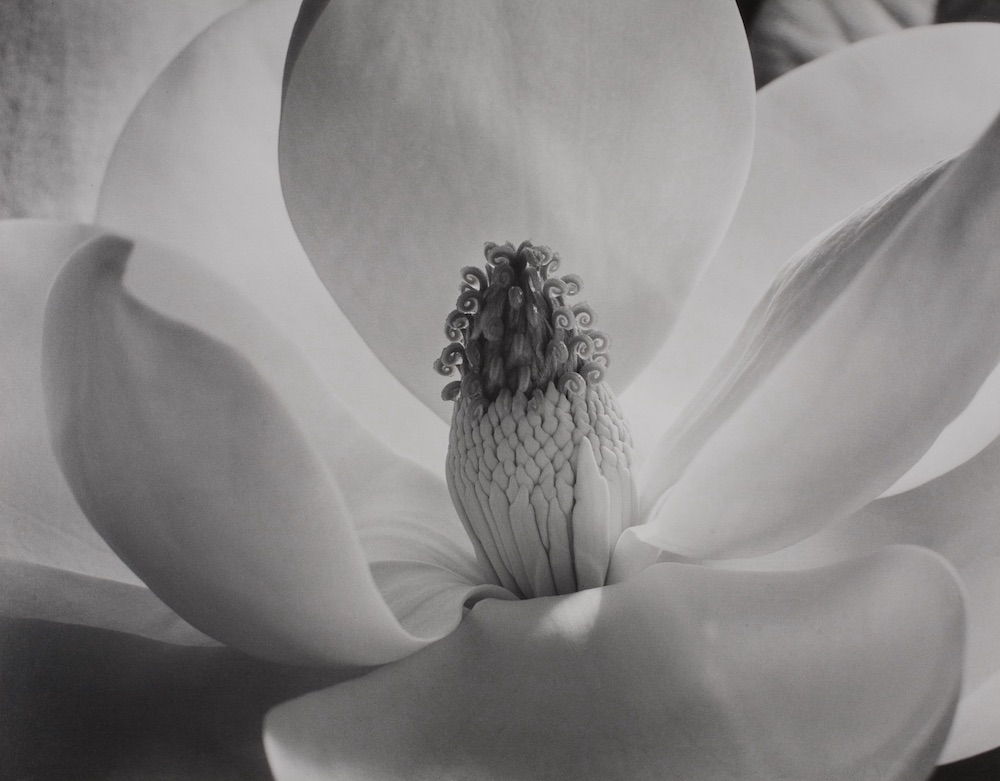
Amaryllis is an elegant example of Cunningham’s interest in botanical subjects. As a faculty wife with three young children, the flowers and plants in her backyard garden became one of her early primary subjects. These dynamic images were captured at a time when she needed distraction from her domestic life and mark an important phase in her work. Her closely cropped botanical images demonstrate a fiercely contained creative energy and honed sensitivity to patterns in nature. Magnolia Blossom: Tower of Jewels is perhaps Cunningham’s most well-known botanical image. The closely cropped flower fills the entire frame. The pistils and stamens are in sharp focus and the petals become a transfixing study of light, shadow, and translucence. It is an unsentimental and, for its time, entirely novel approach to familiar and easily romanticized subject matter.
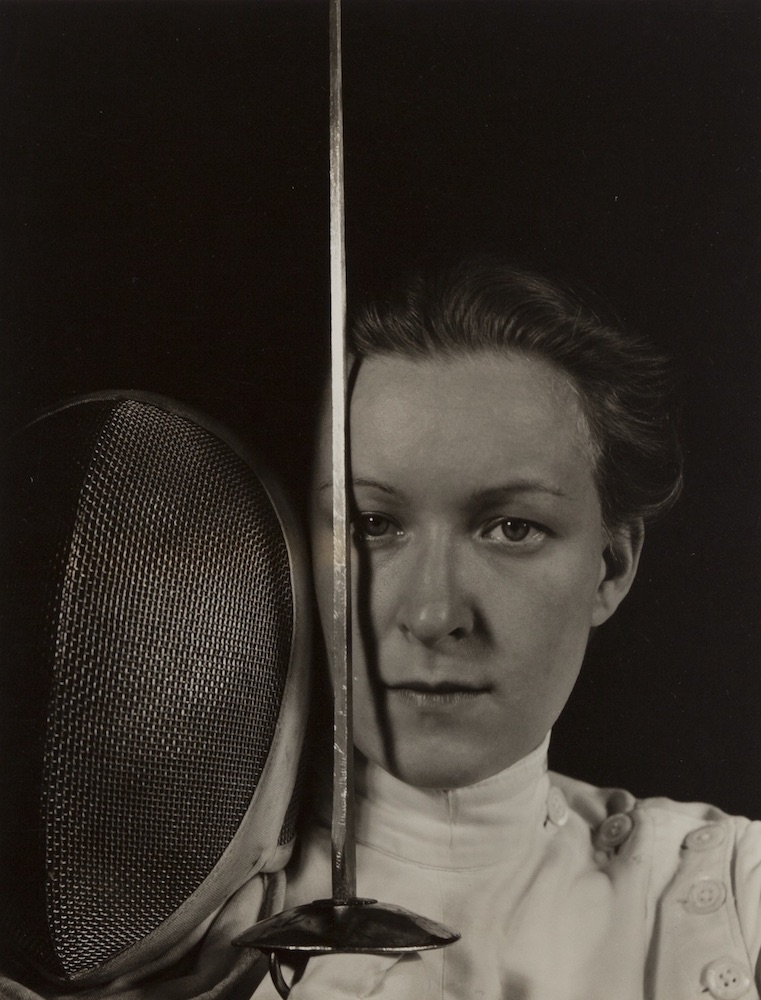
Cunningham’s portrait of Olympic fencing champion Helene Mayer is exemplary of the formal techniques embraced by Group f/64 photographers. Mayer taught fencing and German at Mills and was one of two Jewish athletes invited to compete for the German team in the 1936 Summer Olympics in Berlin during the Nazi regime. Cunningham’s portrait uses dramatic lighting and a tight composition to amplify the power and determination of her sitter. The directness of Mayer’s gaze is reinforced by the glint of light illuminating the straight edge of her fencing blade, creating an image of beauty and strength.
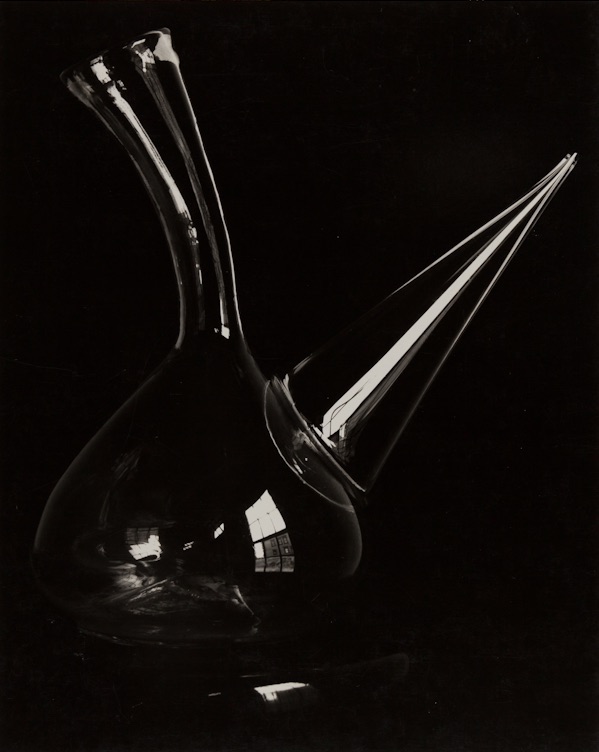
Other female members of Group f/64 included Sonya Noskowiak and Consuelo Kanaga. Noskowiak was born in Germany and moved with her family to Los Angeles at age fifteen. Ten years later, she began her career in photography at the L.A. studio of John Hagemeyer. In 1929, Noskowiak began a five-year stint as a darkroom assistant to Edward Weston, developing her own aesthetic style in conjunction with Group f/64’s modernist goals. In MCAM’s architectural portrait of a glass vessel, Noskowiak captures the detail of the glass surface against the dark atmosphere by closing the camera lens to the smallest aperture and leaving the shutter open for an extended period of time. Defining a sharp focus on a transparent form, highly contrasted against a deep black backdrop, Noskowiak achieves stunning technical form.
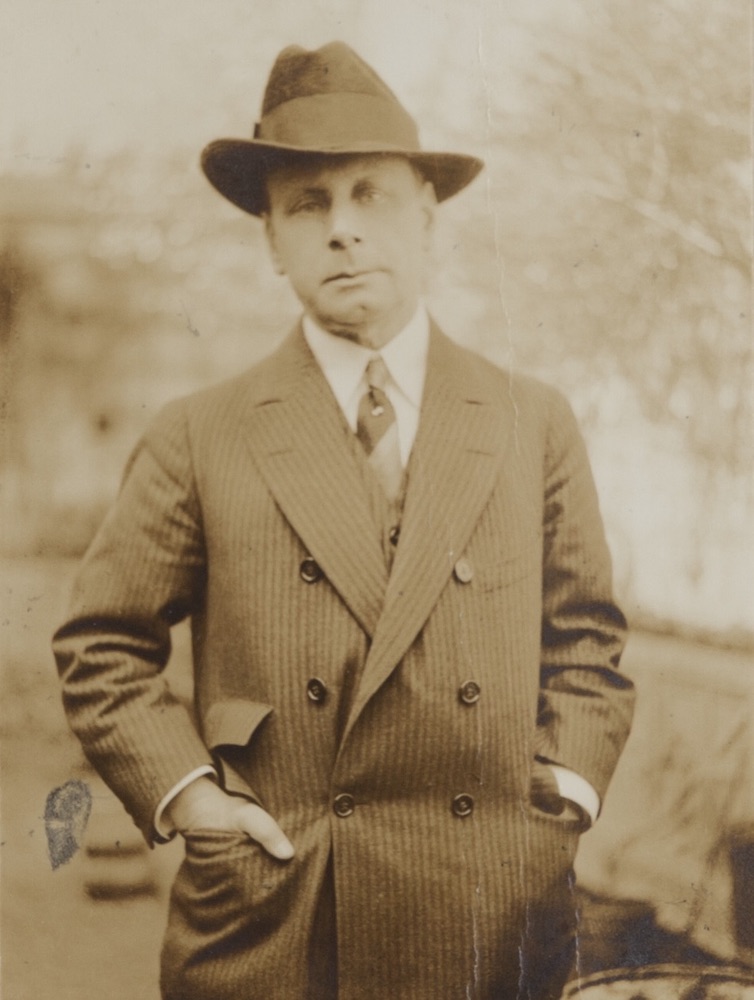
Around 1900, Consuelo Kanaga moved with her family to San Francisco, where she worked for the San Francisco Chronicle as a reporter and feature writer and later as a staff photographer. At this time, she joined the California Camera Club and befriended photographers Weston and Dorothea Lange. In 1922 Kanaga moved to New York, where she met Alfred Stieglitz, whose periodical Camera Work had first spurred her interest in art photography. Returning to San Francisco, she made her living as a society portraitist and met the modernist and documentary photographer Tina Modotti, an early influence. Four of her photographs were included in Group f/64’s groundbreaking first exhibition at the de Young Museum in San Francisco.
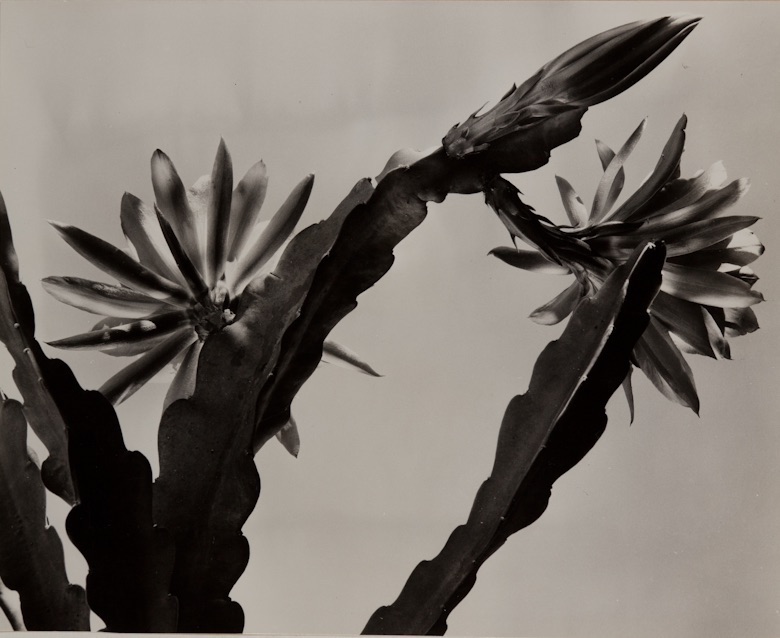
MCAM also has significant holdings of the photographer Alma Ruth Lavenson, who was active in the 1920s and 1930s and a close friend of Adams, Cunningham, and Weston, who she met through Albert Bender. She was invited to participate in the inaugural Group f/64 show, although there is some uncertainty about whether she should actually be called a “member” of Group f/64, given her association with Pictorialism, a photographic style that dominated during the late 19th and early 20th centuries to which Group f/64 had formed in opposition. The announcement for the show at the de Young Museum listed seven photographers in Group f/64 and said “From time-to-time various other photographers will be asked to display their work with Group f/64. Those invited for the first showing are: Preston Holder, Consuelo Kanaga, Alma Lavenson, Brett Weston.”
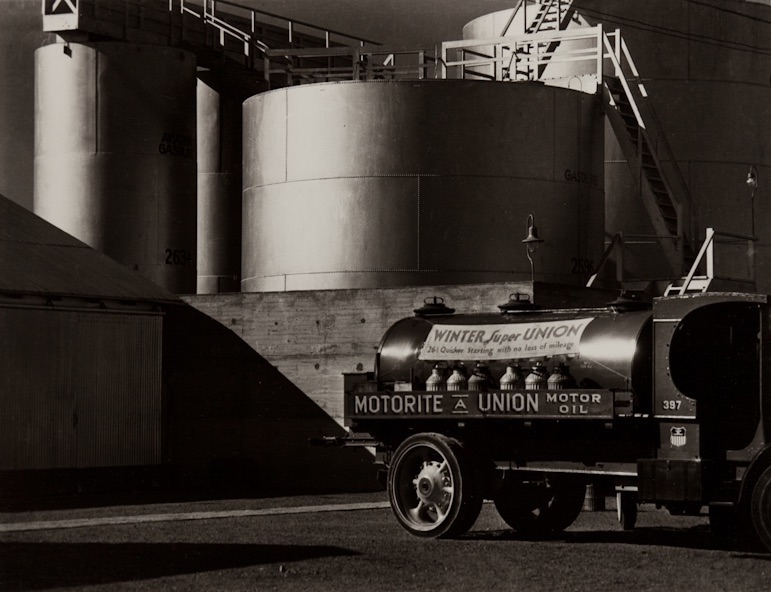
Lavenson’s work is primarily focused on images of the Western and Southwestern regions of the United States. The museum’s holdings include a series of images that document the operations of the Union Oil Company of California, a major petroleum company along the Pacific Coast dating to the late 19th-century. Almost one hundred years later, the work speaks to this country’s continued dependence on fossil fuels and its impact on climate change.
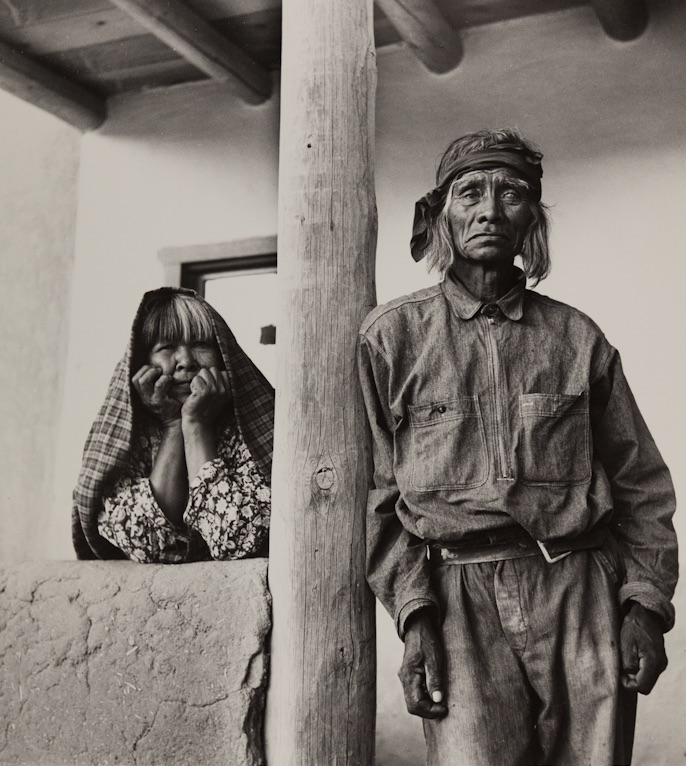
The collection also contains her seminal portrait study of a San Ildefonso Indian couple, made in 1941. The image was selected by noted photographer Edward Steichen for inclusion in the Museum of Modern Art’s exhibition The Family of Man that was visited by over 9 million people on its world tour. Powerful in its depiction, today the work sparks debate over the photographic transformation of people into representatives of a population. Even a sympathetic portrayal intended to ennoble its subject can sacrifice complexity to achieve an iconic image.
The core of Mills College Art Museum’s photography collection is built largely from the friendships developed among the artistic community of Group f/64. Although short-lived as a group, Group f/64 was one of the most famous photographic collectives in history with deep ties to MCAM and the campus. While the museum continues to exhibit and collect contemporary photography, it is indebted to the experimentation and far-reaching impact of the Bay Area’s early modernist photographers.